Fix My Plant

let's figure out what's going on

Something not looking right? Pick the symptom that best matches what you're seeing and I'll walk you through the most likely causes, how to fix them, and how to prevent them next time.

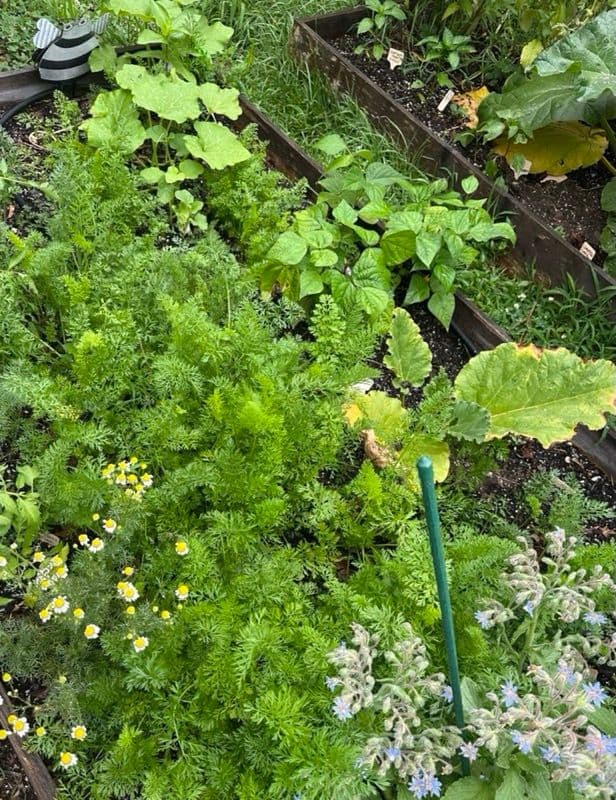
Lush, healthy raised bed garden thriving with proper care

this is the goal

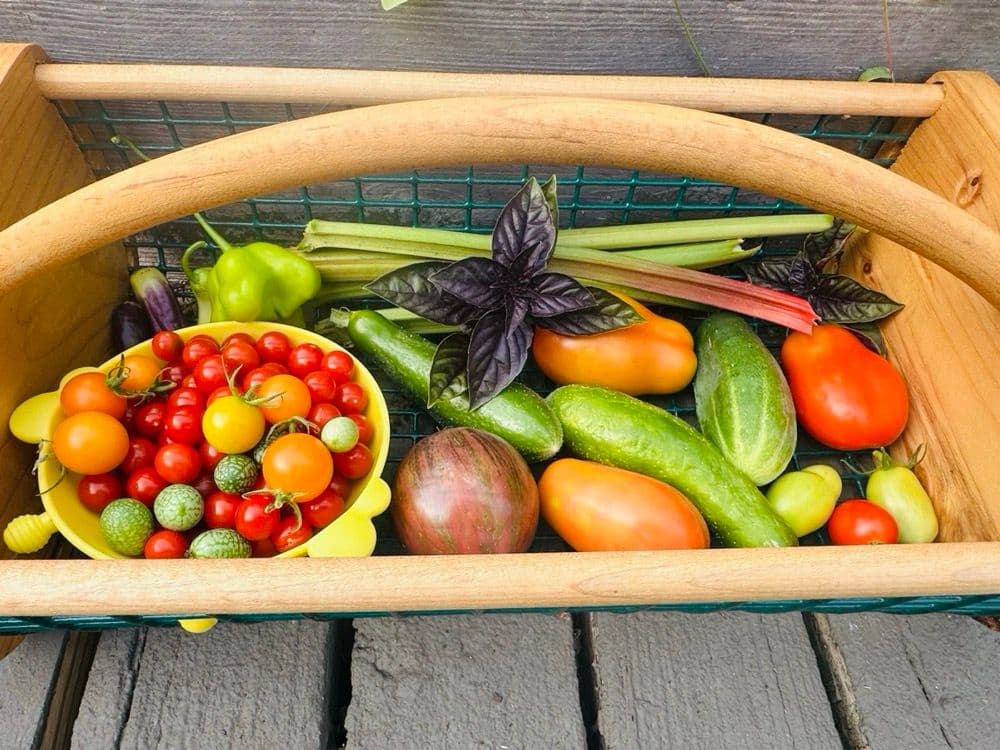
Every plant problem has a solution. Let's get your garden looking like this.

Colorful harvest basket showing what healthy, well-cared-for plants produce

Yellow Leaves

Yellow leaves are one of the most common plant problems, and the tricky part is that a lot of different things can cause them. The good news? Once you figure out the pattern - where the yellowing starts, how fast it's spreading, and what the rest of the plant looks like - you can usually narrow it down pretty quickly.

Most Likely

Nitrogen Deficiency

Address soon

Nitrogen is the nutrient plants use most for leaf growth. When they run low, they pull nitrogen from the oldest leaves first, causing them to turn pale yellow and eventually drop. This is extremely common in container gardens because nutrients wash out with each watering.

What to Look For

  • Yellowing starts on the LOWEST, oldest leaves first
  • Leaves turn uniformly pale yellow (not spotted)
  • Upper/newer leaves still look green and healthy
  • Plant may be growing slowly overall
  • Stems may look thin or weak

How to Fix It

  1. 1Apply a balanced liquid fertilizer (like fish emulsion or a 10-10-10) at half strength
  2. 2For a quick fix, dissolve 1 tablespoon of fish emulsion in a gallon of water and drench the soil
  3. 3Switch to a slow-release granular fertilizer for ongoing feeding
  4. 4If using compost, top-dress with an inch of fresh compost around the base

Prevention

  • Feed container plants every 2-3 weeks during the growing season
  • Use a quality potting mix with slow-release fertilizer already mixed in
  • Add compost when planting and as a top-dress mid-season
  • Don't rely on potting mix nutrients alone - they deplete in 4-6 weeks
Most affected:All plants, especially heavy feeders like tomatoes, peppers, corn, and squash
Most Likely

Overwatering

Act now

When roots sit in soggy soil, they can't absorb oxygen and start to suffocate. The plant responds by dropping its oldest leaves, which turn yellow and may feel mushy. This is the #1 killer of container plants.

What to Look For

  • Soil is consistently wet or waterlogged
  • Yellowing can appear on lower OR random leaves
  • Leaves may feel soft, limp, or mushy (not crispy)
  • Pot may feel heavy when lifted
  • Possible musty smell from the soil
  • Plant may also be wilting despite wet soil (a telltale sign)

How to Fix It

  1. 1Stop watering immediately and let the soil dry out
  2. 2Move containers to a spot with better air circulation
  3. 3Check that drainage holes are not blocked
  4. 4If the pot has no drainage holes, repot into one that does
  5. 5For severe cases, unpot the plant, trim any brown/mushy roots, and repot in fresh dry soil

Prevention

  • Always use the finger test - stick your finger 2 inches into the soil. Only water if it's dry
  • Make sure every container has drainage holes
  • Use well-draining potting mix (not garden soil, which compacts)
  • Don't water on a schedule - water when the plant needs it
  • Consider fabric grow bags, which naturally prevent overwatering
Most affected:All container plants. Especially problematic with herbs (basil, cilantro) and peppers
Possible

Magnesium Deficiency

Can wait

Magnesium is a key part of chlorophyll (what makes leaves green). When magnesium is low, the areas between the leaf veins turn yellow while the veins themselves stay green, creating a distinctive pattern.

What to Look For

  • Yellowing BETWEEN the veins while veins stay green (interveinal chlorosis)
  • Usually starts on older, lower leaves first
  • Leaves may eventually develop brown edges
  • More common in acidic soils or after heavy rain/watering

How to Fix It

  1. 1Dissolve 1 tablespoon of Epsom salt (magnesium sulfate) in a gallon of water
  2. 2Apply as a foliar spray (mist on leaves) for fastest absorption
  3. 3Or drench the soil with the solution every 2-4 weeks
  4. 4For in-ground gardens, add dolomitic limestone which provides both magnesium and calcium

Prevention

  • Add compost regularly - it contains trace minerals including magnesium
  • Don't over-fertilize with potassium, which competes with magnesium uptake
  • Test soil pH - magnesium becomes less available below pH 5.5
  • Use a fertilizer that includes micronutrients, not just N-P-K
Most affected:Tomatoes, peppers, roses, and potatoes are most susceptible
Possible

Nutrient Lockout (pH Issue)

Address soon

Even if nutrients are present in the soil, plants can't absorb them if the pH is too high or too low. This 'lockout' mimics deficiency symptoms because the plant literally can't access what it needs.

What to Look For

  • Random yellowing that doesn't fit a clear pattern
  • You've been fertilizing but the plant still looks nutrient-starved
  • New growth looks pale or distorted
  • Multiple deficiency symptoms at once

How to Fix It

  1. 1Test your soil pH with an inexpensive test kit (available at any garden center)
  2. 2Most vegetables prefer pH 6.0-7.0
  3. 3If too acidic (below 6.0): add garden lime
  4. 4If too alkaline (above 7.0): add sulfur or use acidifying fertilizer
  5. 5Flush containers with plain water to remove salt buildup, then re-fertilize

Prevention

  • Test pH at the beginning of each growing season
  • Use quality potting mix (most are pH-balanced)
  • Avoid over-fertilizing, which can cause salt buildup and pH changes
  • Water deeply to prevent mineral concentration
Most affected:Any plant, but especially blueberries (need acidic soil) and most vegetables

Still Stumped?

Send me a photo and description on the Garden Hotline. I love a good plant mystery.

Go to Garden Hotline
Fix My Plant - Plant Problem Troubleshooter | Harvest with Liz