The Herb Garden

fresh herbs make everything better

There is nothing like walking out to your patio and snipping fresh basil for dinner. Herbs are the easiest thing you can grow - most of them actually prefer containers - and even one pot of basil will change how you cook.

Basil

Ocimum basilicum

Growing Tips

Basil is a warm-season annual that loves heat and full sun. Do not rush planting it outside — wait until nighttime temperatures are consistently above 55°F or it will sulk and stall. Pinch off flower buds as soon as you see them to keep the plant producing bushy, flavorful leaves all season. When you harvest, cut stems just above a set of leaves to encourage branching. One well-maintained basil plant can produce enough for a family all summer.

In the Kitchen

The king of the herb garden and the foundation of pesto, caprese salads, and so many Italian and Thai dishes. Sweet basil (Genovese) is the classic for pesto. Thai basil has an anise-licorice flavor perfect for stir-fries and curries. Lemon basil is wonderful in fish dishes and summer salads. Always add basil at the very end of cooking to preserve its flavor — heat destroys the essential oils quickly.

Container Tips

Basil thrives in containers as small as 1 gallon, but I like to give it a 2-gallon pot so the roots have room to spread. Use a well-draining potting mix, water regularly (basil wilts dramatically when thirsty but bounces right back), and give it your sunniest spot. A pot of basil by your kitchen door is one of the best things you can do for your cooking.
Dill

Anethum graveolens

Growing Tips

Dill is a cool-season annual that bolts quickly in heat, so plan your timing. In Zone 7b, I sow seeds directly in early spring and again in fall. It has a taproot and does not transplant well, so direct sowing is the way to go. Let some plants go to seed — they self-sow like crazy and you will have free dill popping up for years. The ferny foliage is gorgeous in the garden and the flower heads attract beneficial insects like ladybugs and parasitic wasps.

In the Kitchen

Fresh dill weed is essential for tzatziki, salmon, potato salad, and of course pickles. The flavor of fresh dill is completely different from dried — it is bright, grassy, and slightly sweet. Use the feathery leaves raw or add at the very end of cooking. Dill seeds have a stronger, more concentrated flavor and are perfect for pickling brines, breads, and spice blends. Harvest leaves regularly to delay bolting.

Container Tips

Dill grows well in containers but needs at least a 2-gallon pot because of its taproot. Use a deep container — at least 12 inches — and do not try to move it once established. Plant seeds directly in the container, thin to 3-4 plants per pot, and keep it in full sun. Succession sow every 3 weeks for a continuous harvest.

Cilantro

Coriandrum sativum

Growing Tips

Cilantro is a cool-season herb that bolts to seed (coriander) the moment temperatures hit the 80s. The trick is to grow it in spring and fall, not summer. Succession plant every 2-3 weeks for a continuous supply. Once it bolts, let it go to seed — the seeds are coriander, which is an entirely different and wonderful spice. In Zone 7b, fall cilantro is often my best crop because the cooling temperatures keep it leafy for weeks.

In the Kitchen

Cilantro is the herb you either love or think tastes like soap (it is genetic, so no judgment). If you love it, it is essential for salsas, guacamole, Thai curries, Vietnamese pho, Indian chutneys, and so much more. Use it raw — cooking destroys the flavor. The stems have just as much flavor as the leaves, so chop and use the whole thing. When it goes to seed, harvest the coriander seeds for use in spice blends, curries, and pickling.

Container Tips

Cilantro does great in containers as small as 1 gallon. Keep it in a spot that gets morning sun and afternoon shade, especially in spring when temperatures can spike. Water regularly and use a light potting mix. The key to container cilantro is succession planting — sow a new pot every 2-3 weeks so you always have fresh leaves ready to harvest.

Rosemary

Salvia rosmarinus

Growing Tips

Rosemary is a Mediterranean perennial that thrives on neglect. It wants full sun, well-drained soil, and not too much water — basically the opposite of most vegetable garden plants. In Zone 7b, most varieties are winter-hardy but an extended hard freeze can kill it, so mulch the base in late fall. 'Arp' and 'Hill Hardy' are the most cold-tolerant varieties for our zone. Prune regularly to keep it bushy and prevent it from getting woody and leggy.

In the Kitchen

Rosemary is one of the most versatile kitchen herbs. Its piney, slightly peppery flavor is incredible with roasted chicken, lamb, potatoes, focaccia, and olive oil bread. It holds up to high heat and long cooking, unlike most herbs, so add it early. Fresh rosemary is miles better than dried. Strip the needles from the woody stem and chop finely, or toss whole sprigs into roasting pans and remove before serving. Rosemary-infused olive oil is one of the easiest gifts you can make from your garden.

Container Tips

Rosemary loves containers. In fact, the excellent drainage containers provide is exactly what rosemary wants. Use a 3-gallon pot minimum with a gritty, well-draining potting mix (add extra perlite). Do not overwater — let the soil dry out between waterings. It is one of the few herbs that actually does better with less attention. Bring it indoors or to a sheltered spot if temperatures drop below 10°F for extended periods.

Thyme

Thymus vulgaris

Growing Tips

Thyme is a low-growing perennial that is incredibly easy to grow. It loves sun, lean soil, and dry conditions. In Zone 7b, common thyme (Thymus vulgaris) is reliably perennial and comes back stronger each year. It is drought-tolerant once established and basically takes care of itself. The biggest mistake people make with thyme is giving it too much water and too rich a soil — it actually prefers things on the dry and poor side. Trim it back by a third in spring to keep it compact and prevent woody stems.

In the Kitchen

Thyme is one of those herbs I use in almost everything I cook. It is essential in French cooking — think roast chicken, beef stew, ratatouille, and bouquet garni. Lemon thyme is wonderful with fish and in salad dressings. Unlike many herbs, thyme holds up well to long cooking, so add it early in soups, stews, and braises. Strip the tiny leaves from the stem by running your fingers down from top to bottom. Dried thyme is actually quite good (one of the few herbs where dried works nearly as well as fresh).

Container Tips

Thyme is one of the absolute best herbs for containers. Even a 1-gallon pot works fine. Use a very well-draining mix (heavy on the perlite) and place it in your sunniest spot. Water sparingly — thyme in a pot is more likely to die from overwatering than underwatering. It looks gorgeous spilling over the edges of pots and window boxes. Creeping varieties are especially beautiful in container plantings.

Parsley

Petroselinum crispum

Growing Tips

Parsley is a biennial, meaning it grows leaves the first year and flowers the second year before dying. It is notoriously slow to germinate — 2-3 weeks is normal, so be patient and do not give up on it. Soaking seeds overnight in warm water before planting speeds things up. In Zone 7b, fall-planted parsley often overwinters with a bit of mulch and gives you the earliest spring harvest. There are two main types: flat-leaf (Italian) has more flavor, and curly-leaf is milder and great for garnishing.

In the Kitchen

Parsley is way more than a garnish. It is a backbone herb in Mediterranean, Middle Eastern, and South American cooking. Tabbouleh, chimichurri, gremolata, salsa verde — parsley is the star. It adds freshness and brightness to everything from soups to pasta to grain salads. Both the leaves and stems are packed with flavor (stems are actually more intense than the leaves). Harvest from the outside of the plant, cutting full stems at the base, and it will keep producing new growth from the center.

Container Tips

Parsley is fantastic in containers. A 1-gallon pot is sufficient, but a 2-gallon pot gives it room to really produce. It does well in full sun to partial shade, making it one of the more versatile herbs for container gardeners with less-than-perfect light. Keep the soil consistently moist but not waterlogged. A pot of parsley by your kitchen is one of those small upgrades that makes a huge difference in your cooking.

from Liz's herb garden

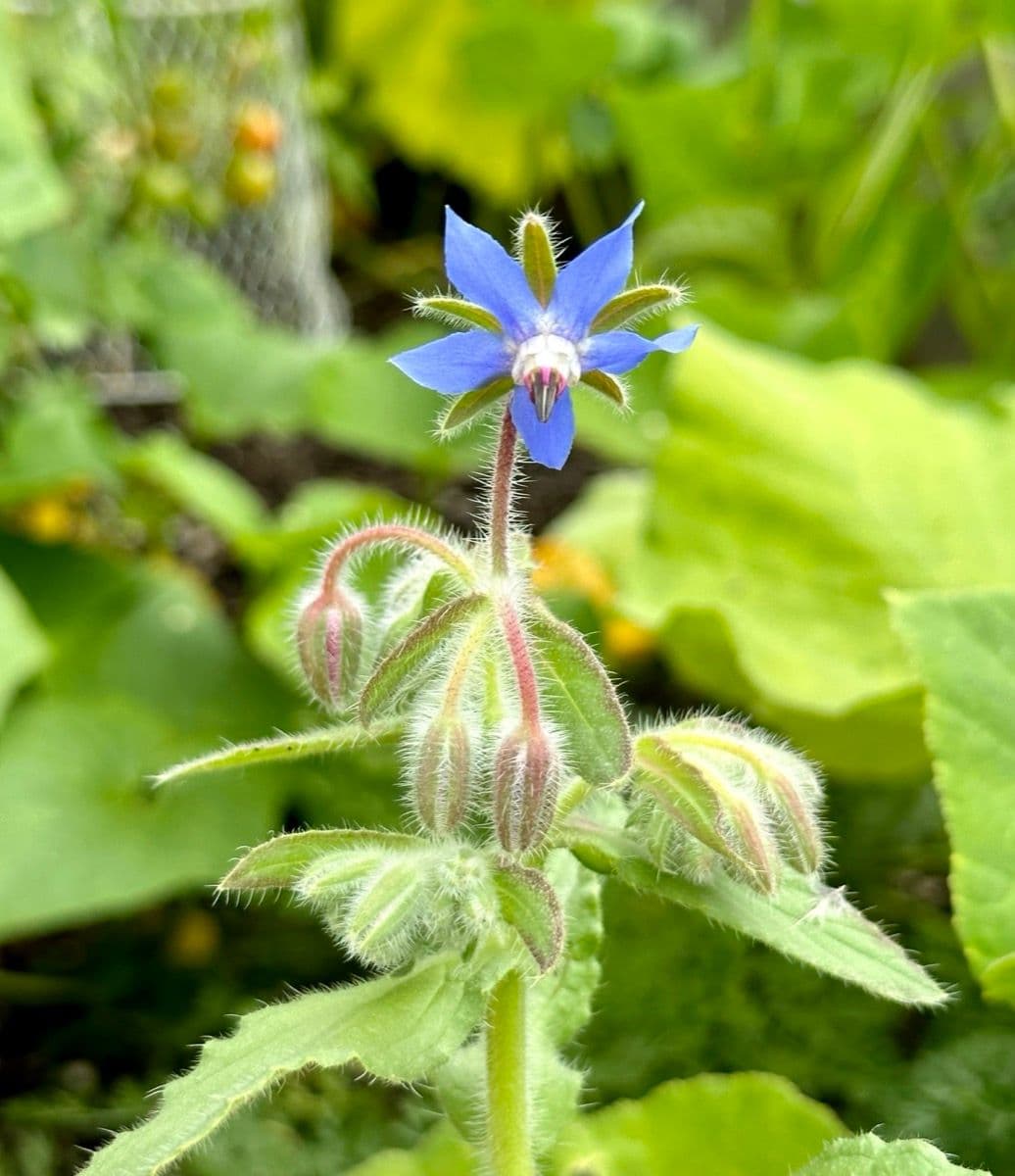
Blue borage flowers blooming in the herb garden, a favorite edible flower and pollinator magnet
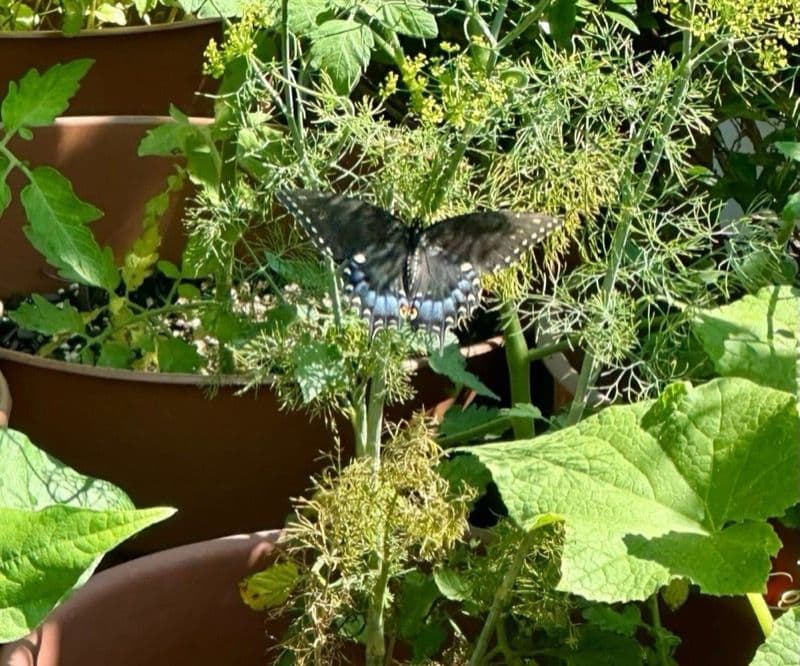
Swallowtail caterpillar munching on dill fronds in the herb garden
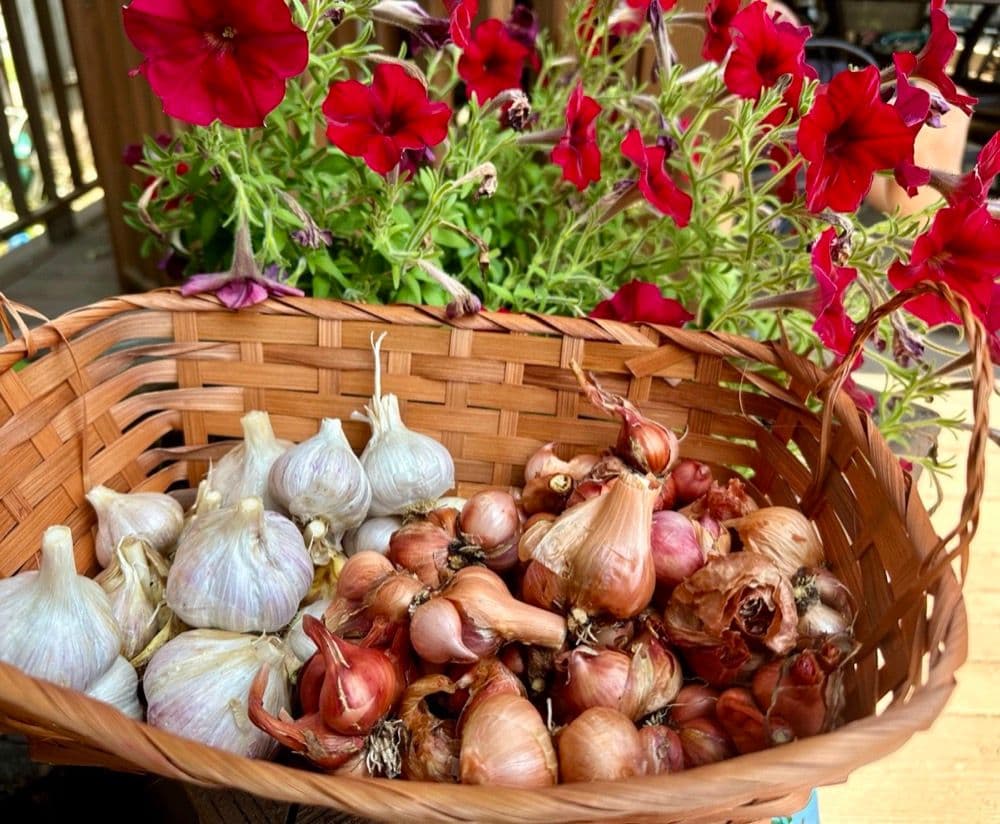
Garlic and shallots harvested alongside petunias from the herb and kitchen garden

Growing Herbs in Containers

a few things I've learned the hard way

  • Use well-draining potting mix, not garden soil. Herbs hate soggy roots.
  • Most herbs want at least 6 hours of direct sun. South-facing patio? You're golden.
  • Don't over-fertilize herbs. They actually produce more flavor when slightly stressed.
  • Harvest regularly - it encourages bushier, more productive growth.
  • Group herbs with similar water needs together. Rosemary and basil are NOT roommates.

See What to Plant This Month

Check the planting calendar to see which herbs you can start right now.

View Planting Calendar