Fix My Plant

let's figure out what's going on

Something not looking right? Pick the symptom that best matches what you're seeing and I'll walk you through the most likely causes, how to fix them, and how to prevent them next time.

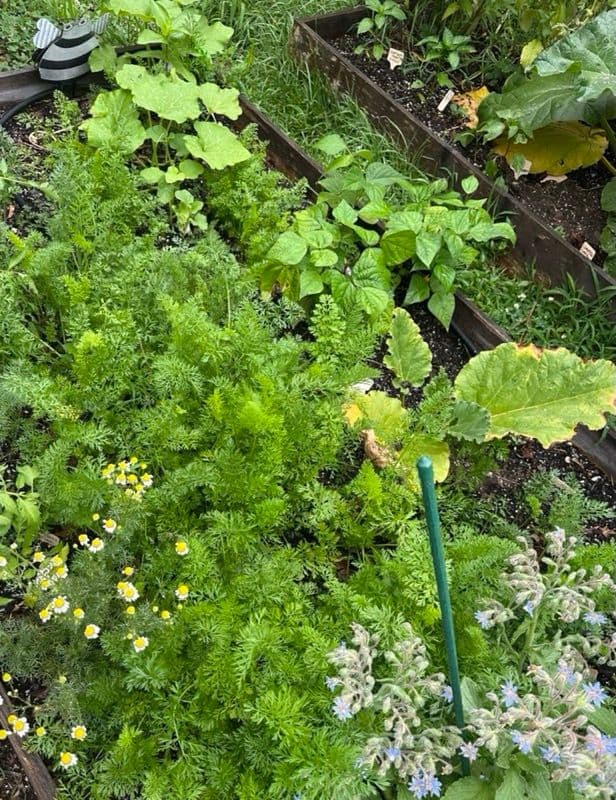
Lush, healthy raised bed garden thriving with proper care

this is the goal

Every plant problem has a solution. Let's get your garden looking like this.

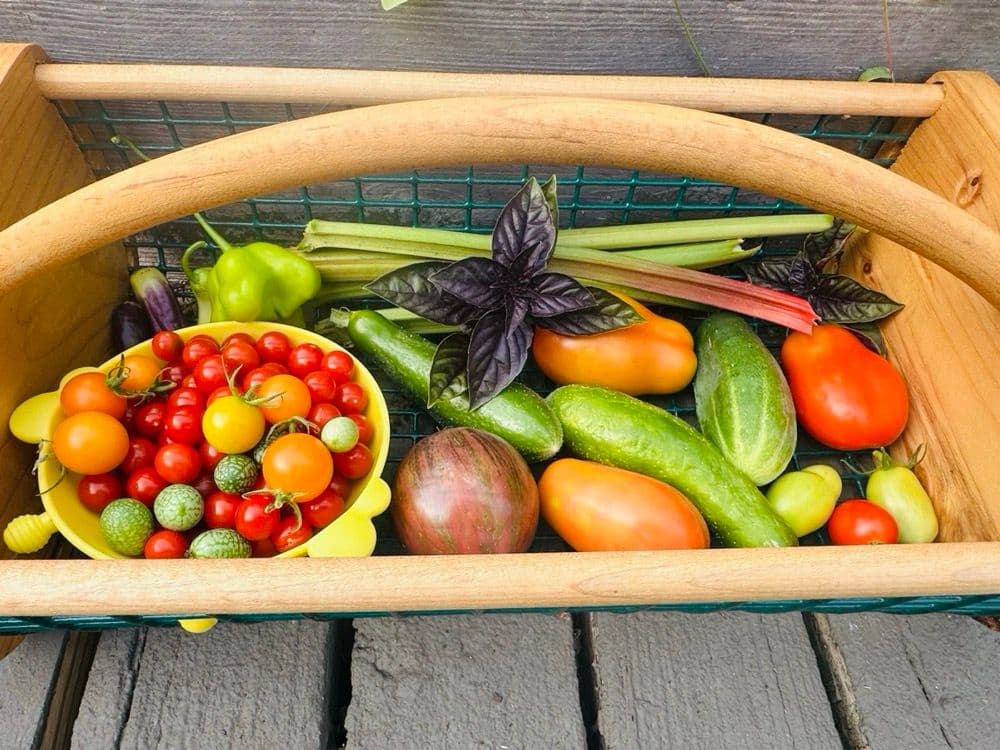
Colorful harvest basket showing what healthy, well-cared-for plants produce

Slow Growth

When a plant just isn't growing the way you'd expect, it's usually one of four things: not enough light, not enough food (nutrients), root problems (too small a pot), or cold soil. Let's figure out which one.

Most Likely

Insufficient Light

Address soon

Most vegetables need 6-8 hours of direct sunlight. In less than that, they grow slowly, get leggy (tall and spindly), and produce less fruit. This is one of the most common issues for patio and balcony gardeners.

What to Look For

  • Plant is tall, thin, and spindly (reaching toward light)
  • Large gaps between leaf nodes
  • Pale or light green leaves
  • The spot gets less than 6 hours of direct sun
  • Growth slows significantly compared to expectations

How to Fix It

  1. 1Move containers to the sunniest available spot (south-facing is usually best)
  2. 2Trim nearby branches or move obstructions that cast shade
  3. 3For indoor starts, use supplemental grow lights (at least 12 hours/day)
  4. 4Accept that some spots just won't support sun-loving crops and switch to shade-tolerant plants

Prevention

  • Observe your growing area for a full day before planting - track where sun hits and for how long
  • Match plants to your light conditions: full sun crops need 6-8+ hours, partial shade crops need 4-6 hours
  • Shade-tolerant food crops: lettuce, spinach, kale, herbs (cilantro, parsley, mint)
Most affected:All vegetables. Fruiting plants (tomatoes, peppers, squash) are most affected. Leafy greens tolerate more shade
Most Likely

Root Bound / Container Too Small

Address soon

When a plant outgrows its pot, the roots circle around and become a dense mat. The plant can't access enough water or nutrients, so growth stalls. This is very common in containers.

What to Look For

  • Roots growing out of drainage holes
  • Plant dries out extremely fast (needs watering multiple times a day)
  • Soil seems to repel water (it runs down the sides instead of soaking in)
  • Plant has stopped growing despite adequate light and fertilizer
  • If you unpot it, you see a dense mat of circling roots with very little soil visible

How to Fix It

  1. 1Repot into a container 2-4 inches larger in diameter
  2. 2When repotting, gently loosen the root ball - break up circling roots
  3. 3Add fresh potting mix around and below the root ball
  4. 4Water thoroughly after repotting
  5. 5For root-bound tomatoes mid-season, top-dress with compost and increase watering instead of repotting

Prevention

  • Start with an appropriately sized container (bigger is almost always better)
  • Minimum container sizes: herbs 1-2 gallon, peppers 3-5 gallon, tomatoes 5-10 gallon
  • Check roots annually for perennial container plants
  • Use fabric pots - they air-prune roots and prevent circling
Most affected:All container plants. Fast-growing plants like tomatoes, squash, and herbs outgrow containers quickly
Possible

Cold Soil / Air Temperature

Can wait

Warm-season crops (tomatoes, peppers, squash, beans) essentially stop growing when soil temperatures are below 60F. They're alive but not thriving. Planting too early in spring is a very common cause of slow growth.

What to Look For

  • Plant was put out early in the season
  • Leaves may have a purplish tint (phosphorus can't be absorbed in cold soil)
  • Plant is alive but just sitting there, not growing
  • Nighttime temperatures are still below 50-55F

How to Fix It

  1. 1Be patient - growth will accelerate when soil warms up
  2. 2Use black plastic mulch or dark containers to warm the soil faster
  3. 3Place containers on concrete or pavement (absorbs and radiates heat)
  4. 4Consider a cloche, cold frame, or row cover for warmth at night

Prevention

  • Check your zone's planting calendar - don't rush warm-season crops outdoors
  • Wait until soil temperature is consistently above 60F for most warm crops (70F for peppers and melons)
  • Use a soil thermometer - they're cheap and invaluable
  • Start seeds indoors to get a head start without exposing young plants to cold
Most affected:All warm-season crops: tomatoes, peppers, squash, beans, corn, melons, cucumbers

Still Stumped?

Send me a photo and description on the Garden Hotline. I love a good plant mystery.

Go to Garden Hotline
Fix My Plant - Plant Problem Troubleshooter | Harvest with Liz