Fix My Plant

let's figure out what's going on

Something not looking right? Pick the symptom that best matches what you're seeing and I'll walk you through the most likely causes, how to fix them, and how to prevent them next time.

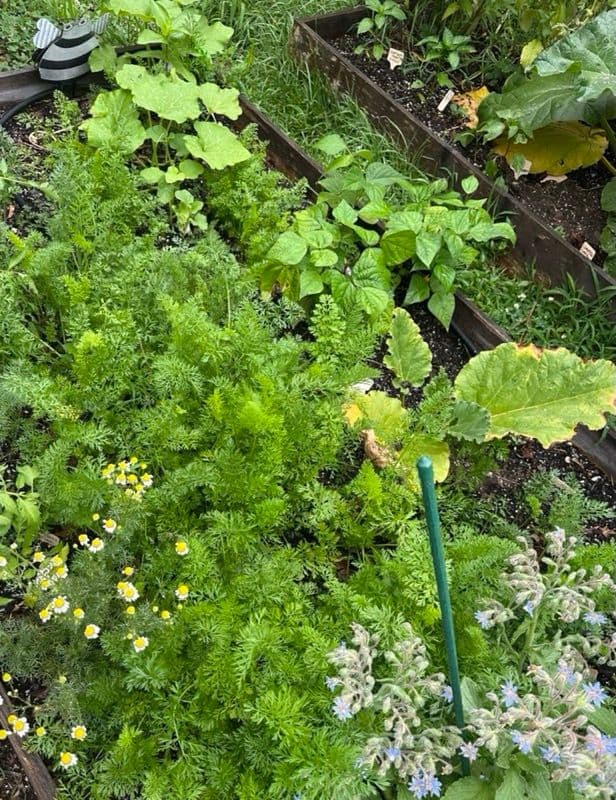
Lush, healthy raised bed garden thriving with proper care

this is the goal

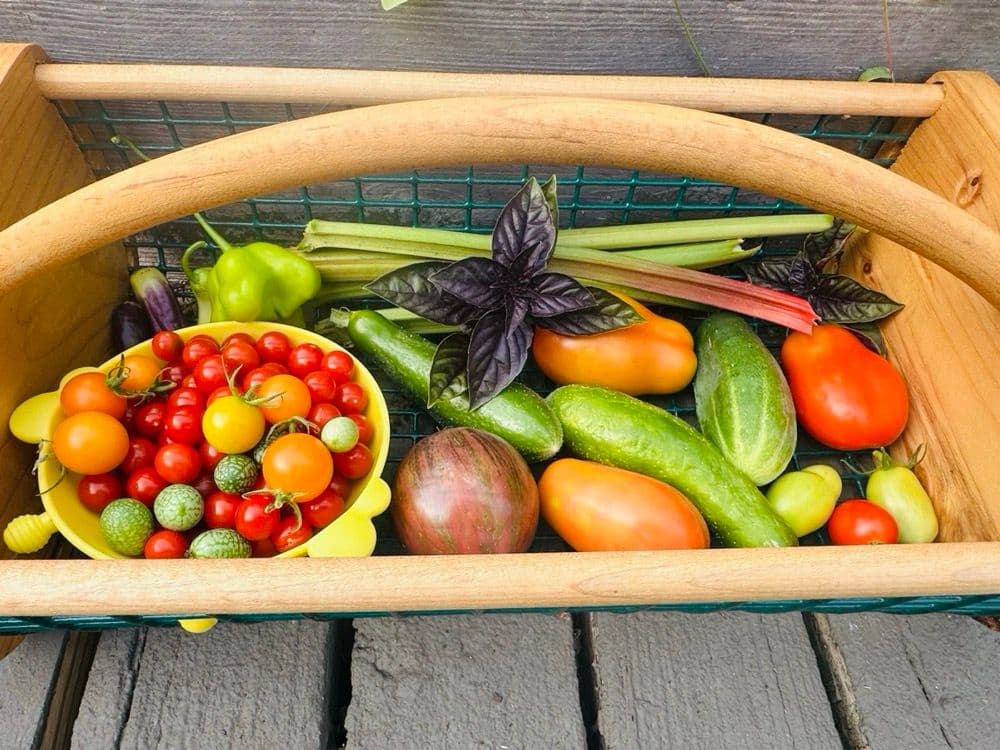
Every plant problem has a solution. Let's get your garden looking like this.

Colorful harvest basket showing what healthy, well-cared-for plants produce

Pests

Finding bugs on your plants can feel alarming, but most garden pests are manageable with the right approach. The key is identifying WHAT you're dealing with before you treat it - different pests need different solutions, and some 'pests' are actually beneficial insects you want to keep around.

Most Likely

Aphids

Address soon

Tiny soft-bodied insects (usually green, black, or white) that cluster on new growth, leaf undersides, and flower buds. They suck plant sap and excrete sticky 'honeydew' that can attract ants and grow black sooty mold.

What to Look For

  • Clusters of tiny soft-bodied insects on new growth, stems, and leaf undersides
  • Sticky, shiny residue on leaves (honeydew)
  • Curled or distorted new leaves
  • Ants climbing up and down the plant (they 'farm' aphids for honeydew)
  • Black sooty mold growing on sticky leaves

How to Fix It

  1. 1Blast them off with a strong spray of water (seriously, this works for mild infestations)
  2. 2Spray with insecticidal soap or neem oil (coat all surfaces, especially undersides of leaves)
  3. 3For severe infestations: use a mix of 1 tablespoon dish soap in 1 quart water as a spray
  4. 4Introduce or attract ladybugs and lacewings - they eat hundreds of aphids per day
  5. 5Pinch off heavily infested shoot tips and dispose of them

Prevention

  • Plant nasturtiums, dill, and fennel as trap crops (aphids prefer these)
  • Attract beneficial insects by planting flowers: alyssum, yarrow, dill, cosmos
  • Don't over-fertilize with nitrogen (lush new growth attracts aphids)
  • Check plants regularly - catching infestations early makes them much easier to manage
  • Reflective mulch (aluminum foil) confuses aphids and reduces landing
Most affected:Nearly all garden plants. Especially love peppers, kale, broccoli, lettuce, and roses
Most Likely

Caterpillar / Hornworm Damage

Address soon

Large, irregular holes chewed in leaves (sometimes entire leaves stripped to the stem). The culprits are usually well-camouflaged caterpillars like tomato hornworms, cabbage worms, or armyworms.

What to Look For

  • Large, irregular holes or entire leaves eaten
  • Dark droppings (frass) on leaves below the damage
  • Tomato hornworms: large green caterpillars with white stripes and a horn on the rear
  • Cabbage worms: small velvety green caterpillars on brassicas
  • Damage appears overnight or progresses rapidly

How to Fix It

  1. 1Hand pick! Check plants in early morning when caterpillars are most visible
  2. 2Tomato hornworms with white cocoons on their backs should be LEFT ALONE - those are parasitic wasp eggs that will kill them
  3. 3Apply BT (Bacillus thuringiensis) spray - it's organic, targets only caterpillars, and is safe for beneficial insects
  4. 4For cabbage worms: cover brassicas with floating row cover to prevent moths from laying eggs

Prevention

  • Check plants daily during peak season (especially the undersides of leaves)
  • Use floating row cover on brassicas from transplant day
  • Plant herbs like dill and fennel to attract parasitic wasps (natural predators)
  • Rotate crops to break pest cycles
  • Encourage birds in your garden with a bird bath - they eat caterpillars
Most affected:Tomatoes (hornworms), all brassicas/kale/broccoli/cabbage (cabbage worms), corn (earworms), lettuce (cutworms)
Possible

Spider Mites

Act now

Tiny arachnids (not insects) that suck sap from leaves, causing stippled yellowing and fine webbing. They thrive in hot, dry conditions and can devastate plants quickly.

What to Look For

  • Fine stippling or tiny yellow/white dots on leaf surfaces
  • Fine webbing between leaves or at leaf junctions
  • Leaves may look dusty, dull, or bronzed
  • Worse during hot, dry weather
  • Hold a white paper under a leaf and tap - tiny moving specks are mites

How to Fix It

  1. 1Spray plants forcefully with water, especially the undersides of leaves (mites hate moisture)
  2. 2Apply neem oil or insecticidal soap every 3-4 days for 2 weeks
  3. 3For severe infestations: use miticide (spider mites aren't insects so regular insecticides don't work)
  4. 4Increase humidity around plants (mist foliage, group plants together)

Prevention

  • Keep plants well-watered during hot, dry periods (stressed plants are more susceptible)
  • Spray the undersides of leaves with water periodically
  • Avoid dusty conditions near plants
  • Don't use broad-spectrum insecticides - they kill the predatory mites that eat spider mites
Most affected:Beans, tomatoes, peppers, eggplant, cucumbers, melons, strawberries, roses

Still Stumped?

Send me a photo and description on the Garden Hotline. I love a good plant mystery.

Go to Garden Hotline
Fix My Plant - Plant Problem Troubleshooter | Harvest with Liz