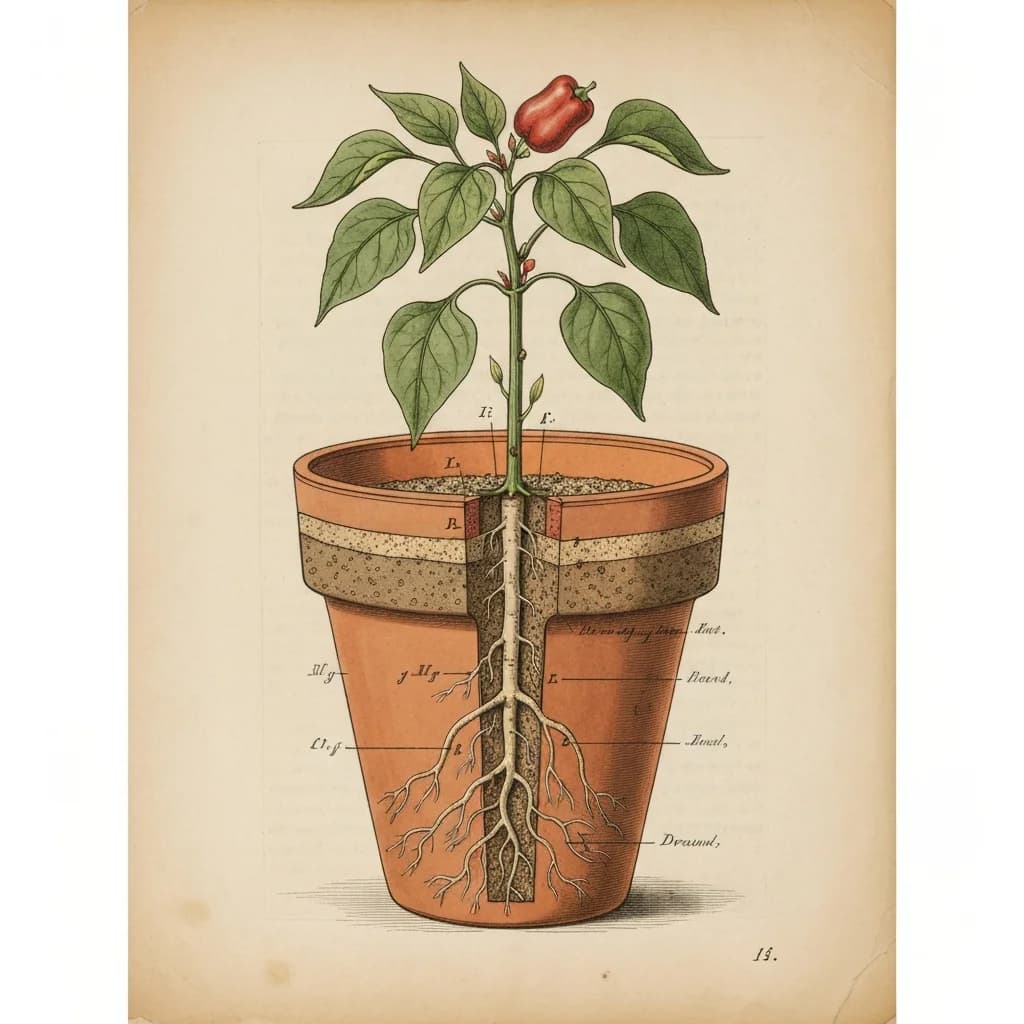
Container Gardening Made Simple
you really can grow food in pots
When I started gardening, I had 4 containers on my deck and zero clue what I was doing. Now I grow food in over 50 containers and 10 raised beds. If I can figure it out, so can you! I'm going to make it way easier for you than it was for me.
50+
Containers
10
Raised Beds
7b
USDA Zone
Where Do You Want to Start?
Pick a topic below!
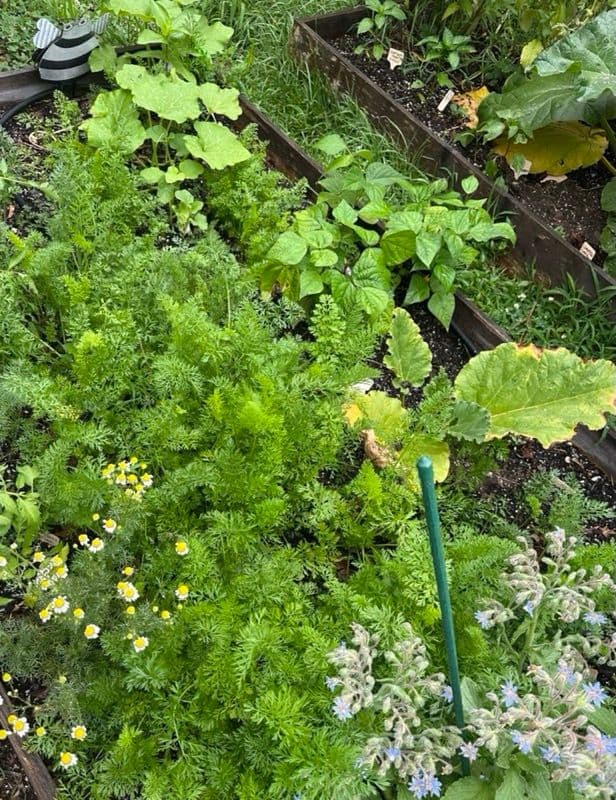
Soil Basics
The single most important decision you will make for container gardening is your soil. Garden soil from your yard is too heavy and compacts in pots, suffocating roots. You want a quality potting mix that is light, fluffy, and drains well. Look for mixes with peat moss or coco coir, perlite, and vermiculite. At the end of each season, you can refresh old potting mix by adding fresh compost and a handful of perlite instead of replacing it entirely.
Read more →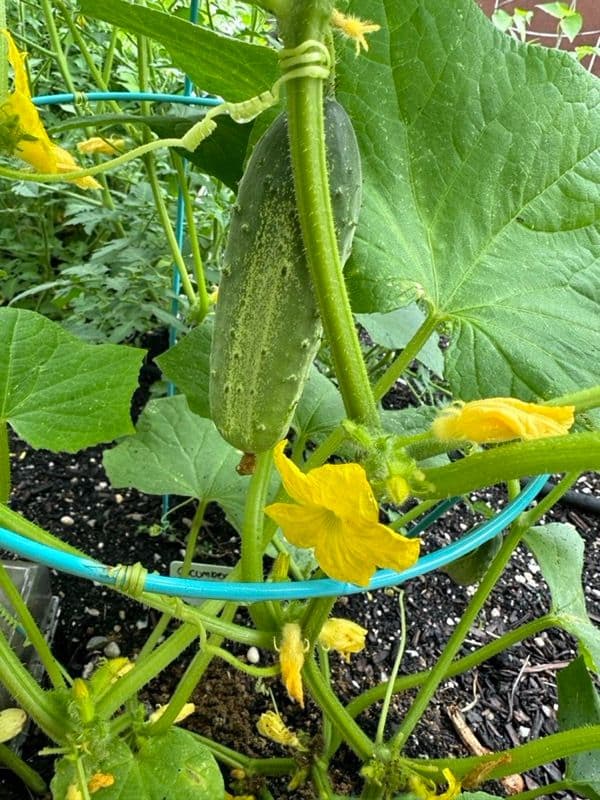
Container Sizes
Size matters more than anything in container gardening. A tomato in a 6-inch pot is not going to end well - it needs at least 5 gallons (about 14 inches across). Peppers do well in 3-5 gallon pots. Lettuce and herbs are happy in smaller containers, even 6-8 inch pots. The rule of thumb: if the plant gets big above ground, it needs a big home below ground. Fabric grow bags are another great option because they are affordable, breathable, and you can fold them up at the end of the season.
Read more →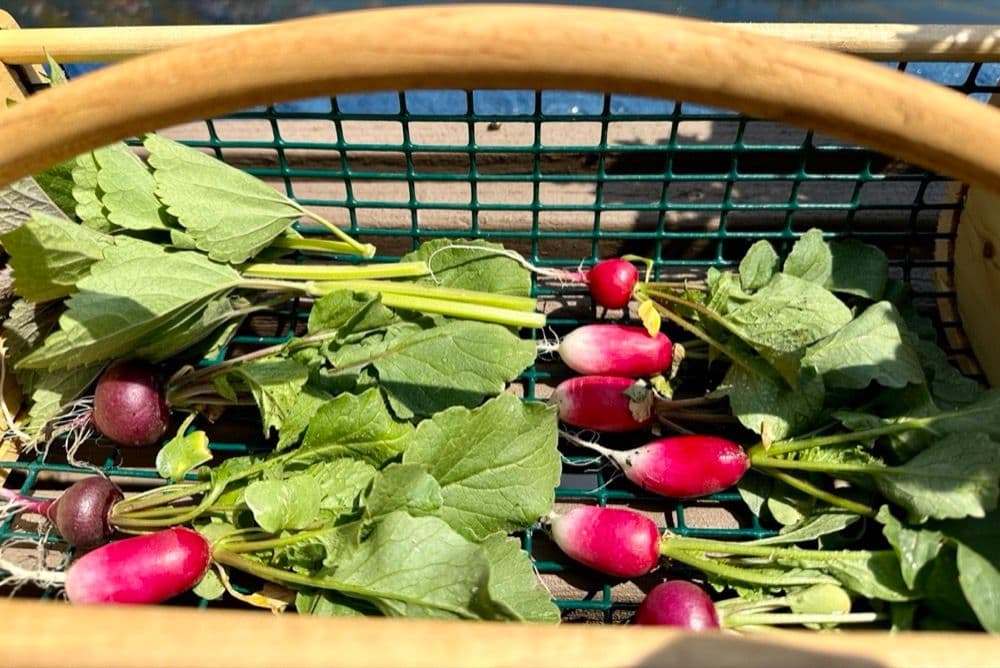
Watering Guide
Watering is the number one thing container gardeners get wrong, and it goes both ways. Overwatering causes root rot and fungal issues. Underwatering stresses plants and reduces your harvest. The fix is simple: stick your finger into the soil about an inch deep. If it feels dry, water thoroughly until it drains from the bottom. If it is still moist, wait. In the heat of summer, you may need to water containers daily - sometimes even twice. Mulching the top of your pots with straw or wood chips helps retain moisture and keeps roots cool.
Read more →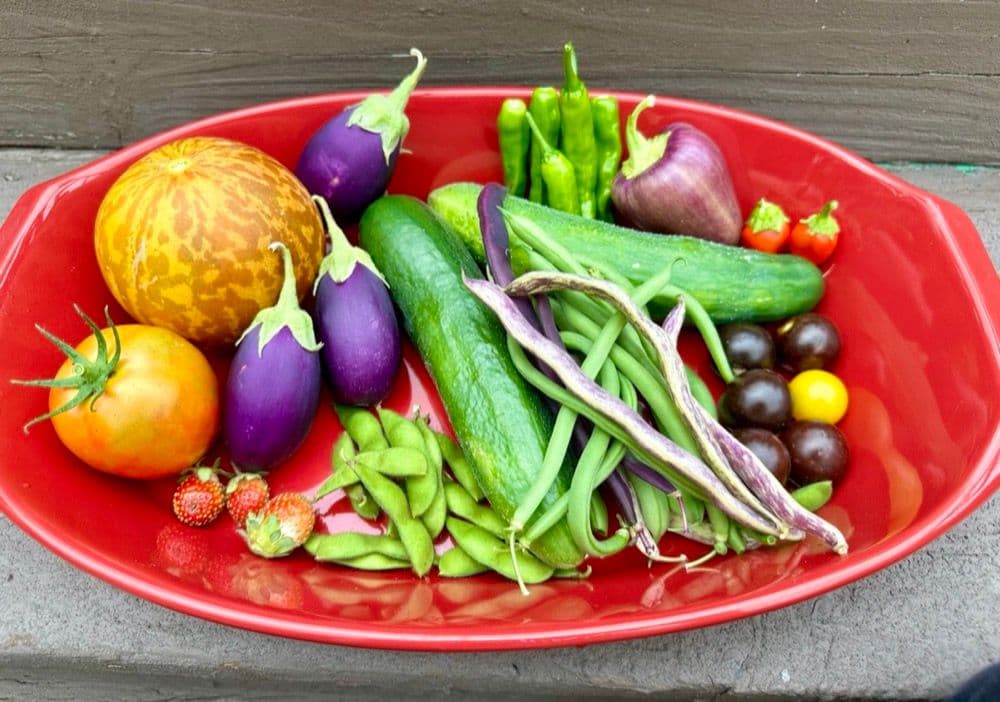
Best Plants for Containers
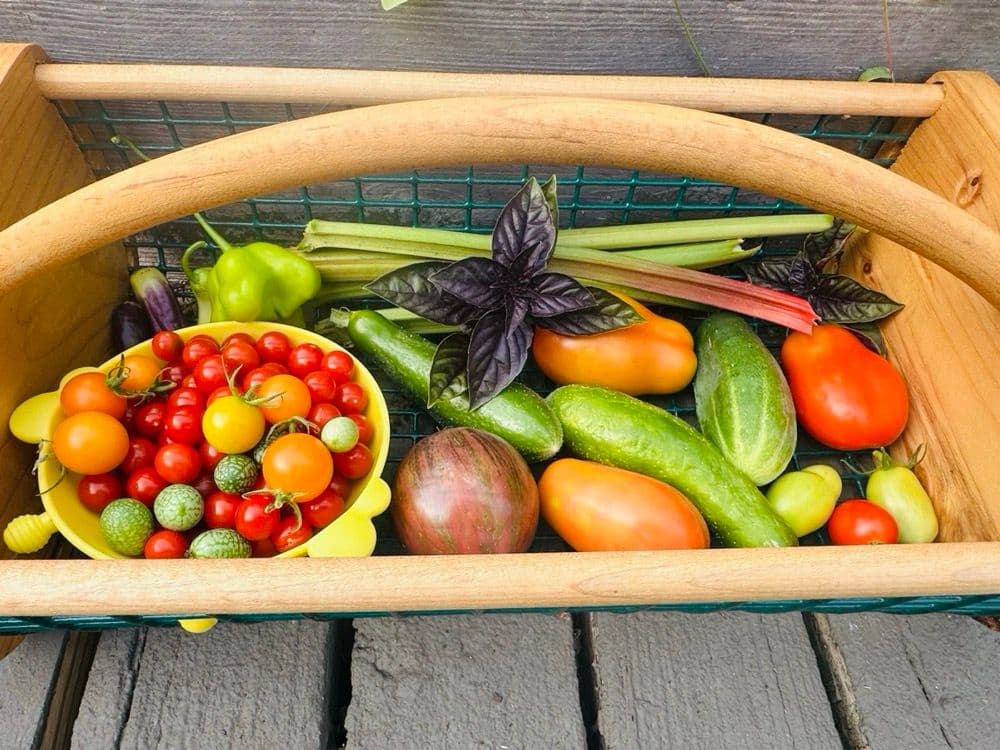
Not every plant thrives in a pot, but you would be surprised how many do. Tomatoes (especially determinate varieties like Patio and Bush Early Girl), peppers, lettuce, spinach, kale, radishes, strawberries, and almost all herbs are excellent container plants. Cherry tomatoes and hot peppers are especially productive. Bush beans and compact cucumber varieties work too. Avoid plants that need massive root space like corn, melons (unless you have huge pots), and full-size pumpkins. Start with 3-4 easy winners and expand from there.
Read more →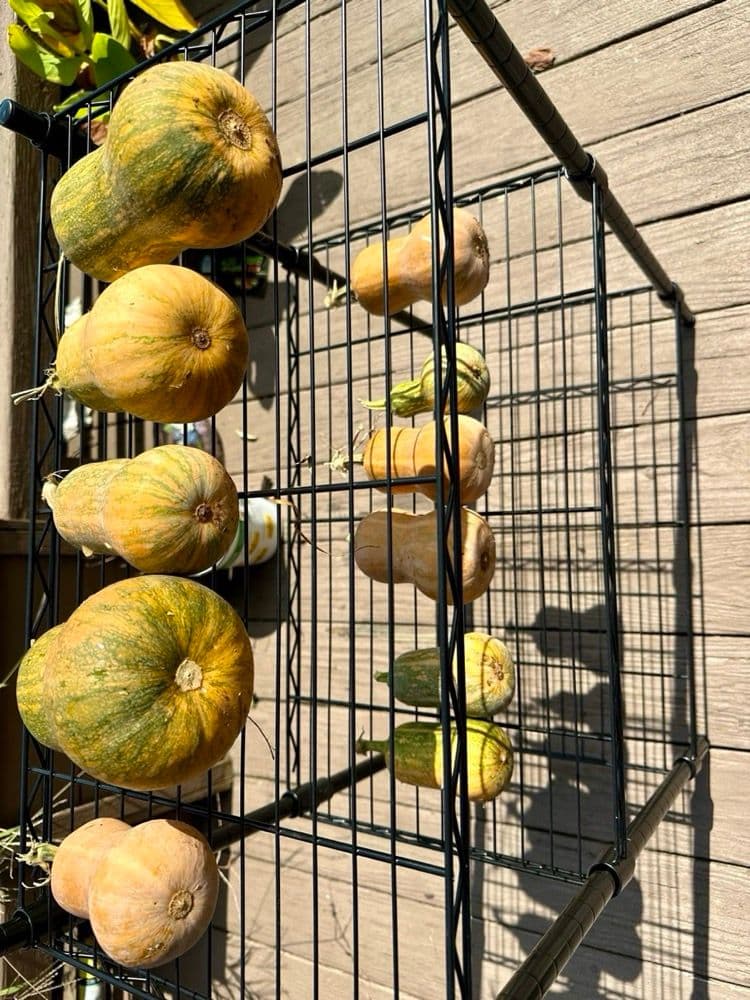
Common Mistakes
I have made every container gardening mistake in the book so you do not have to. The top five: using garden soil instead of potting mix (your plants will drown), choosing pots that are too small (they dry out in hours), skipping drainage holes (root rot city), placing sun-loving plants in shade (leggy, sad plants with no fruit), and forgetting to fertilize (potting mix runs out of nutrients in about 4-6 weeks). The good news is that every one of these is easy to fix once you know about it.
Read more →from my container garden to yours
Quick Tips from Liz
things I wish someone told me when I started
- Dark-colored pots absorb more heat. In summer, this can cook your roots. Use light-colored pots or wrap dark ones with burlap to keep soil temperatures down.
- Always check for drainage holes before planting. No holes = standing water = dead roots. If your pretty pot has no holes, drill some or use it as a cachepot with a plastic pot inside.
- Group your containers together. They create a microclimate that helps retain humidity around the plants, and it makes watering way more efficient. Plus it looks better.
- Elevate your pots off the ground with pot feet or bricks. This improves drainage, prevents staining on your deck, and keeps slugs and bugs from making a home underneath.
- Start with herbs if you are new. Basil, mint, and parsley are almost impossible to kill, and there is nothing more satisfying than cooking with something you grew yourself.
- Feed your container plants every 2-3 weeks with a liquid fertilizer during the growing season. Potting mix nutrients are used up fast, and your plants will tell you - yellowing leaves and slow growth are signs they are hungry.
Have a Container Question?
Drop your question on the Garden Hotline and I'll help you out.
Ask on the Garden Hotline