Fix My Plant

let's figure out what's going on

Something not looking right? Pick the symptom that best matches what you're seeing and I'll walk you through the most likely causes, how to fix them, and how to prevent them next time.

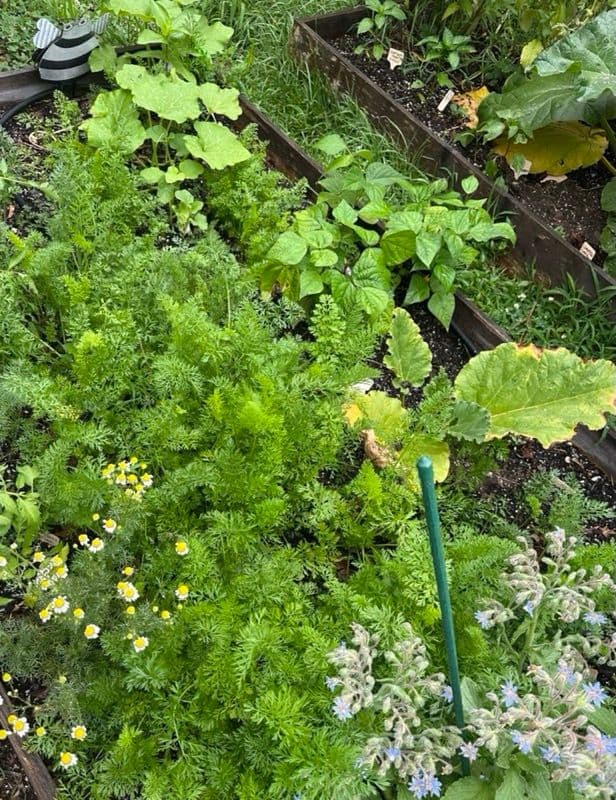
Lush, healthy raised bed garden thriving with proper care

this is the goal

Every plant problem has a solution. Let's get your garden looking like this.

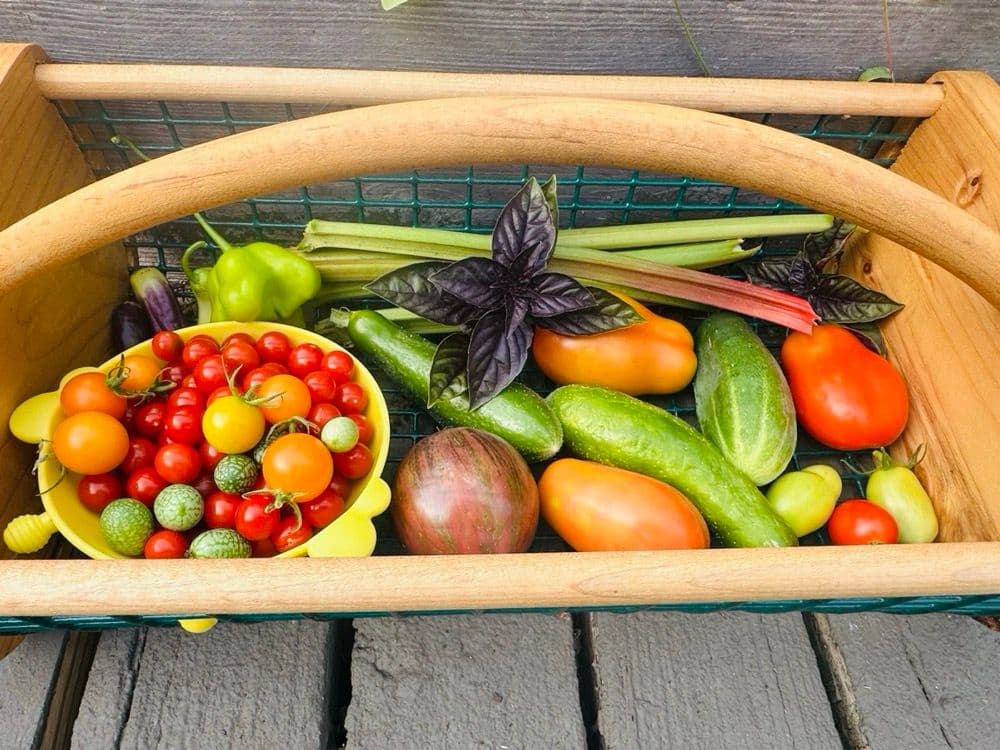
Colorful harvest basket showing what healthy, well-cared-for plants produce

Wilting

A wilting plant can be confusing because both too much AND too little water cause wilting. The key is checking the soil. Stick your finger in - if it's dry, you need water. If it's wet and the plant is still wilting, you likely have a root problem. And sometimes, afternoon wilting on a hot day is completely normal and nothing to worry about.

Most Likely

Underwatering

Act now

The simplest and most common cause of wilting. Container plants dry out much faster than in-ground plants, especially on hot or windy days. Some large plants can drink a gallon of water per day in summer.

What to Look For

  • Soil is dry when you stick your finger 2 inches in
  • Pot feels light when you lift it
  • Leaves are drooping and may feel crispy or papery
  • Plant perks back up within an hour of watering
  • More severe in afternoon heat, windy conditions, or small pots

How to Fix It

  1. 1Water deeply until water runs out the drainage holes
  2. 2If the soil has pulled away from the edges of the pot, soak the entire pot in a tray of water for 30 minutes
  3. 3For severely dried potting mix that repels water, add a drop of dish soap to your watering can
  4. 4Water again in the evening if the plant is still stressed

Prevention

  • Check containers DAILY in summer - twice daily during heat waves
  • Use larger containers (they hold more moisture)
  • Mulch the surface of your containers to reduce evaporation
  • Consider self-watering planters for consistent moisture
  • Group containers together - they create a more humid microclimate
Most affected:All container plants. Large-leaved plants like squash, cucumbers, and hydrangeas wilt fastest
Most Likely

Root Rot (from Overwatering)

Act now

When roots sit in waterlogged soil for too long, they rot and can no longer absorb water. The cruel irony: the plant wilts because the roots can't take up water, so you water more, which makes it worse.

What to Look For

  • Soil is WET but the plant is still wilting
  • Plant doesn't perk up after watering (this is the key difference from underwatering)
  • Lower leaves may be yellowing or dropping
  • Stems may feel mushy at the base
  • If you unpot, roots may look brown, mushy, or smell bad (healthy roots are white/tan)
  • Pot may have a sour or musty smell

How to Fix It

  1. 1Stop watering immediately
  2. 2Unpot the plant and inspect the roots
  3. 3Trim away any brown, black, or mushy roots with clean scissors
  4. 4Repot in fresh, dry potting mix with excellent drainage
  5. 5Use a pot with multiple drainage holes
  6. 6Water sparingly for the next 1-2 weeks while the roots recover
  7. 7In severe cases, the plant may not recover - take cuttings if possible

Prevention

  • Never let containers sit in standing water (empty saucers after watering)
  • Use well-draining potting mix with perlite or pumice
  • Make sure every pot has drainage holes - no exceptions
  • Use the finger test before watering, every time
  • Fabric grow bags are excellent at preventing root rot because they air-prune roots
Most affected:All plants. Herbs (especially basil), peppers, and succulents are extra sensitive
Possible

Heat Stress (Normal Afternoon Wilting)

Can wait

On hot days (above 85F), many plants wilt in the afternoon as a self-protection mechanism. They reduce their leaf surface area to conserve water. If the plant perks back up by evening or morning, this is completely normal and not a problem.

What to Look For

  • Wilting happens in the afternoon heat (after 2pm typically)
  • Plant looks fine in the morning
  • Soil is still moist when checked
  • Plant recovers by evening or the next morning
  • Temperature is above 85F / 30C

How to Fix It

  1. 1Nothing needed if the plant recovers by morning - this is normal!
  2. 2Provide afternoon shade if possible (shade cloth or temporary shade)
  3. 3Water in the early morning so the plant is fully hydrated before the heat
  4. 4Mist the ground around the plant (not the leaves) to cool the area

Prevention

  • Position containers where they get morning sun but afternoon shade in peak summer
  • Use larger containers that hold more moisture and heat up less
  • Mulch the soil surface to keep roots cooler
  • Choose heat-tolerant varieties for your zone
Most affected:Large-leaved plants: squash, cucumbers, beans, peppers. Tomatoes wilt less but can still show it
Possible

Transplant Shock

Can wait

Plants that were recently moved (transplanted from indoors to outdoors, or from one pot to another) often wilt for a few days while their roots adjust to the new environment. This is usually temporary.

What to Look For

  • Wilting started within 1-3 days of transplanting
  • Plant was healthy before the move
  • Soil moisture is adequate
  • May also see some leaf drop or yellowing

How to Fix It

  1. 1Keep the soil consistently moist (but not soggy) for the first week
  2. 2Provide temporary shade - don't put transplants in full sun immediately
  3. 3Don't fertilize for the first 2 weeks after transplanting
  4. 4Be patient - most plants recover within 5-10 days
  5. 5Consider using a root stimulator product at transplant time

Prevention

  • Harden off seedlings gradually over 7-10 days before transplanting outdoors
  • Transplant on a cloudy day or in the evening to reduce stress
  • Water the plant well BEFORE removing it from its old pot
  • Disturb the roots as little as possible during transplanting
  • Plant at the same depth (or slightly deeper for tomatoes)
Most affected:All transplanted plants, but especially tender seedlings

Still Stumped?

Send me a photo and description on the Garden Hotline. I love a good plant mystery.

Go to Garden Hotline
Fix My Plant - Plant Problem Troubleshooter | Harvest with Liz