Fix My Plant

let's figure out what's going on

Something not looking right? Pick the symptom that best matches what you're seeing and I'll walk you through the most likely causes, how to fix them, and how to prevent them next time.

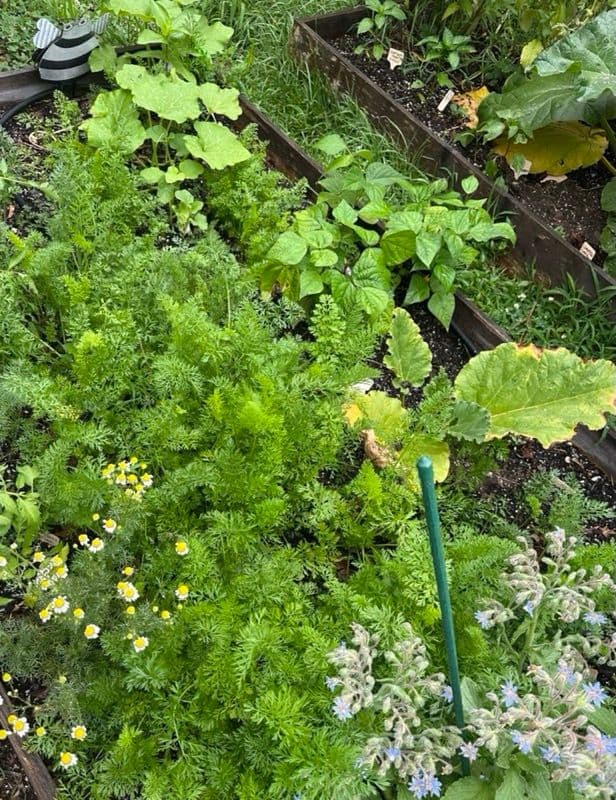
Lush, healthy raised bed garden thriving with proper care

this is the goal

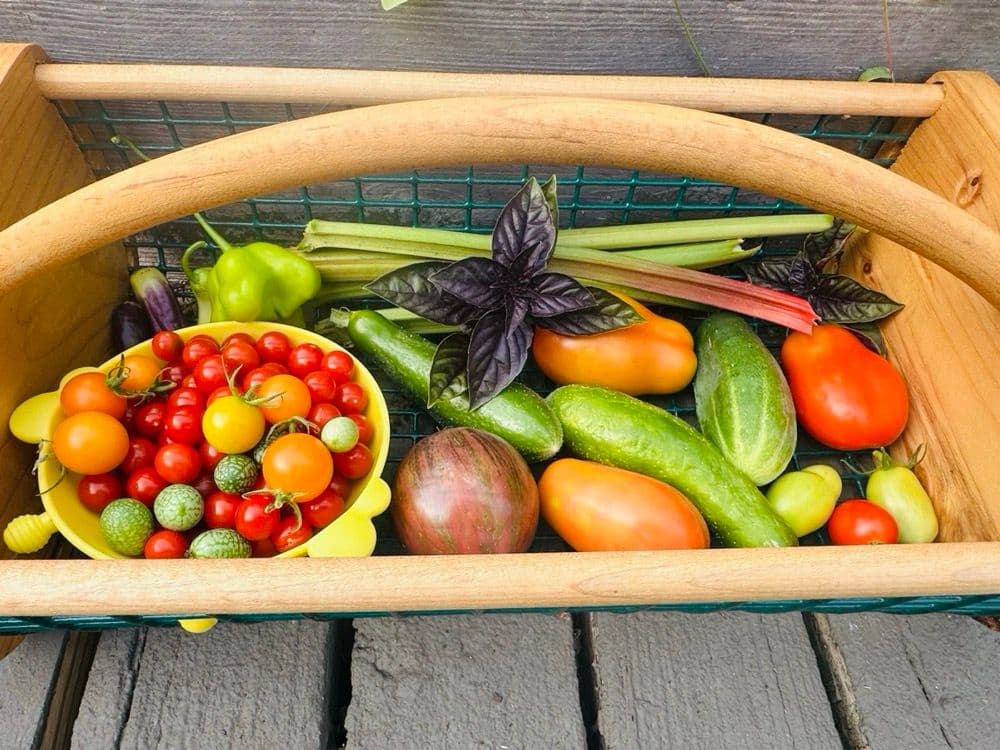
Every plant problem has a solution. Let's get your garden looking like this.

Colorful harvest basket showing what healthy, well-cared-for plants produce

Not Fruiting

You've got a big, healthy plant covered in beautiful flowers but no fruit to show for it. This is incredibly frustrating, but it's usually fixable. The most common culprits are temperature, pollination, and too much nitrogen fertilizer.

Most Likely

Pollination Failure

Address soon

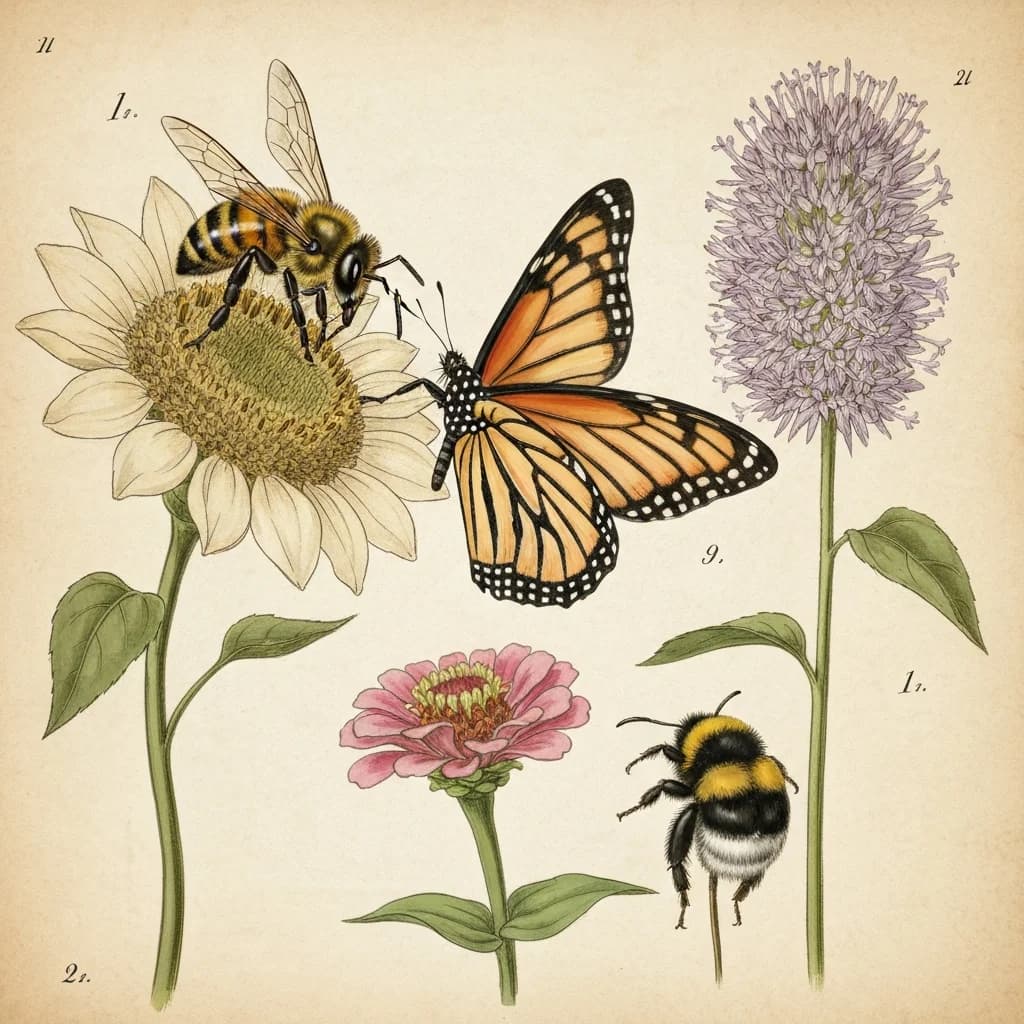
Fruit forms when pollen moves from the male part of a flower to the female part. Without this, flowers bloom and drop without setting fruit. In containers on upper balconies or in areas with few pollinators, this is very common.

What to Look For

  • Flowers bloom normally but fall off without forming fruit
  • Few or no bees/pollinators visiting your garden
  • Growing on a high balcony, rooftop, or enclosed patio
  • Squash and cucumber plants with flowers but no fruit (these need insect pollination)

How to Fix It

  1. 1Hand pollinate: use a small paintbrush or cotton swab to transfer pollen between flowers
  2. 2For tomatoes/peppers: gently shake the plant or tap flower clusters to release pollen
  3. 3For squash/cucumbers: pick a male flower, peel back petals, and rub it inside a female flower
  4. 4Plant flowers nearby to attract pollinators (zinnias, sunflowers, borage, lavender)
  5. 5Avoid spraying pesticides during flowering (kills pollinators)

Prevention

  • Plant pollinator-attracting flowers next to your vegetables
  • Consider adding a small bee house for native bees
  • Don't use broad-spectrum pesticides during flowering
  • Grow self-pollinating varieties when possible (most tomatoes and peppers self-pollinate)
Most affected:Squash, cucumbers, melons (require insect pollination). Tomatoes and peppers sometimes (usually self-pollinate but benefit from wind/vibration)
Most Likely

Too Much Nitrogen (All Leaves, No Fruit)

Address soon

When plants get too much nitrogen fertilizer, they put all their energy into growing big, lush leaves instead of flowers and fruit. The plant looks amazingly healthy and green - but produces nothing to eat.

What to Look For

  • Plant is extremely lush, tall, and leafy with dark green foliage
  • Few flowers or flowers that drop without setting fruit
  • You've been fertilizing heavily or frequently
  • Using a high-nitrogen fertilizer (first number much higher than the others)

How to Fix It

  1. 1Stop all nitrogen fertilizing immediately
  2. 2Switch to a fertilizer with higher phosphorus and potassium (the second and third numbers)
  3. 3Look for 'bloom booster' or tomato-specific fertilizer (like 5-10-10)
  4. 4Be patient - the plant needs time to shift from vegetative to fruiting mode
  5. 5Pruning excess foliage can help redirect energy to fruit production

Prevention

  • Use a balanced or fruiting-specific fertilizer once flowers start forming
  • Don't overapply nitrogen - more is not better
  • Read fertilizer labels: the first number (N) should not be much higher than the others for fruiting plants
  • Side-dress with compost rather than synthetic nitrogen for a gentler, more balanced feed
Most affected:Tomatoes, peppers, squash, cucumbers, beans
Possible

Temperature Stress (Too Hot or Too Cold)

Can wait

Most fruiting vegetables have a temperature sweet spot for pollination. When nighttime temps drop below 55F or daytime temps exceed 90F, pollen becomes non-viable and flowers drop without setting fruit.

What to Look For

  • Flowers are forming normally but dropping off
  • Daytime temperatures consistently above 90F / 32C
  • OR nighttime temperatures below 55F / 13C
  • This is seasonal - often resolves when temperatures moderate

How to Fix It

  1. 1For heat: provide afternoon shade with shade cloth (30-50%)
  2. 2For cold: use row cover or cloches to trap warmth at night
  3. 3Water in the morning to help regulate soil temperature
  4. 4Be patient - fruit set usually resumes when temperatures return to the 65-85F range
  5. 5For tomatoes in extreme heat: varieties like 'Heat Master' or 'Solar Fire' set fruit at higher temps

Prevention

  • Plant at the right time for your zone (check your planting calendar!)
  • Choose heat-tolerant or cold-tolerant varieties appropriate for your climate
  • Use mulch to buffer soil temperatures
  • Position containers where they get some afternoon shade in peak summer
Most affected:Tomatoes (stop setting fruit above 90F), peppers, beans, squash

Still Stumped?

Send me a photo and description on the Garden Hotline. I love a good plant mystery.

Go to Garden Hotline
Fix My Plant - Plant Problem Troubleshooter | Harvest with Liz