Fix My Plant

let's figure out what's going on

Something not looking right? Pick the symptom that best matches what you're seeing and I'll walk you through the most likely causes, how to fix them, and how to prevent them next time.

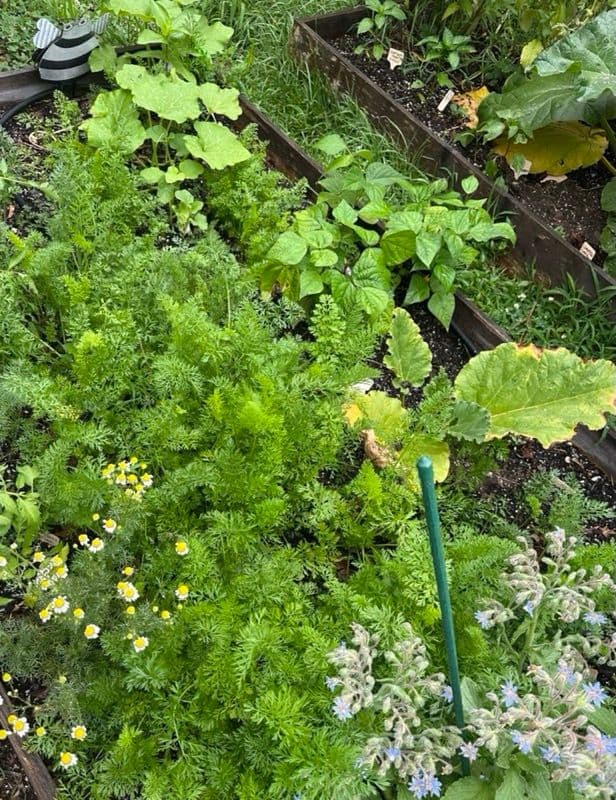
Lush, healthy raised bed garden thriving with proper care

this is the goal

Every plant problem has a solution. Let's get your garden looking like this.

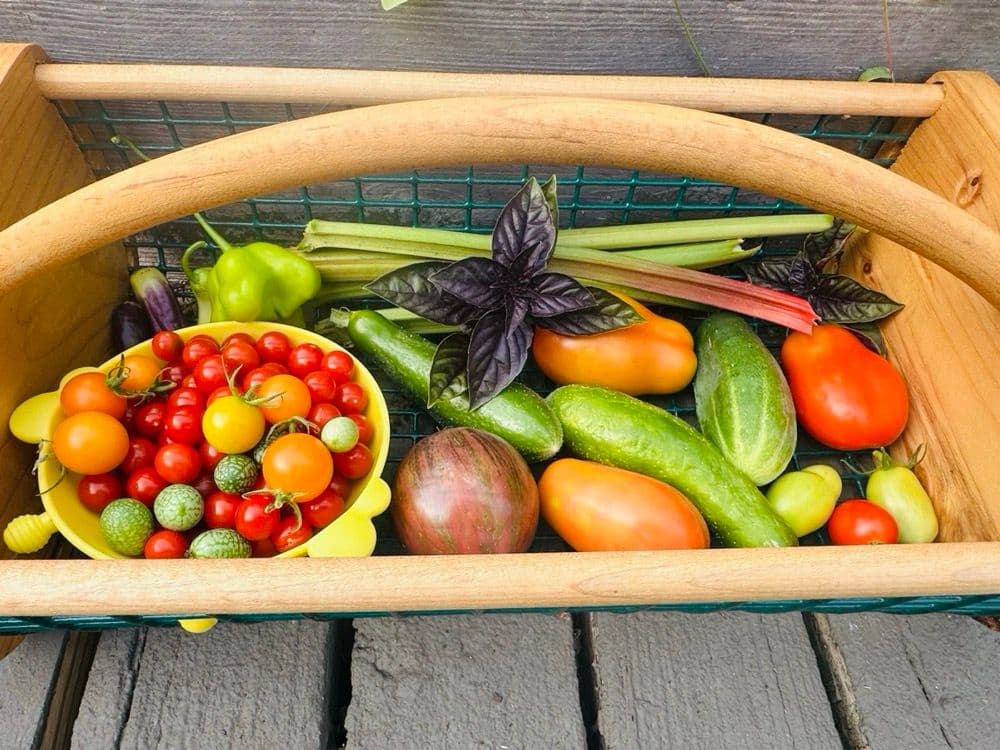
Colorful harvest basket showing what healthy, well-cared-for plants produce

Curling Leaves

Leaf curling can mean a few different things depending on which direction the leaves are curling and what else is going on. Curling up usually points to environmental stress, curling down can mean overwatering, and curling inward sometimes indicates pests.

Most Likely

Heat or Water Stress

Can wait

In hot weather, plants curl their leaves upward to reduce surface area and slow water loss through evaporation. This is a self-defense mechanism, not a disease.

What to Look For

  • Leaves curling upward or inward (like a taco)
  • Happens during hot weather (85F+)
  • Plant otherwise looks healthy - no spots, no yellowing
  • Leaves uncurl in the evening or on cooler days
  • More common on tomatoes and peppers

How to Fix It

  1. 1Water deeply in the early morning
  2. 2Provide afternoon shade during heat waves
  3. 3Mulch to keep soil cool and retain moisture
  4. 4This is often just the plant protecting itself - no treatment needed if it recovers daily

Prevention

  • Consistent watering schedule
  • Adequate mulch layer (2-3 inches)
  • Choose heat-tolerant varieties for your zone
  • Position containers where they get some afternoon relief from intense sun
Most affected:Tomatoes, peppers, potatoes (all nightshade family plants are prone to leaf curl in heat)
Possible

Aphid Damage

Address soon

Aphids feeding on new growth can cause leaves to curl and distort as they grow. The curled leaves often shelter the aphids inside, making them harder to reach with sprays.

What to Look For

  • New leaves curling or puckering as they emerge
  • Sticky residue on or under leaves
  • Tiny insects visible inside the curled leaves
  • Distorted shoot tips

How to Fix It

  1. 1Uncurl leaves to confirm aphids are present, then treat as described in the Pests section
  2. 2Insecticidal soap spray, making sure to get inside the curled leaves
  3. 3For severe cases, prune off the affected tips entirely

Prevention

  • Check new growth regularly for aphids before they cause curling
  • Attract beneficial insects that eat aphids
  • Don't over-fertilize with nitrogen
Most affected:Peppers, plums, cherries, viburnum, kale, broccoli

Still Stumped?

Send me a photo and description on the Garden Hotline. I love a good plant mystery.

Go to Garden Hotline
Fix My Plant - Plant Problem Troubleshooter | Harvest with Liz