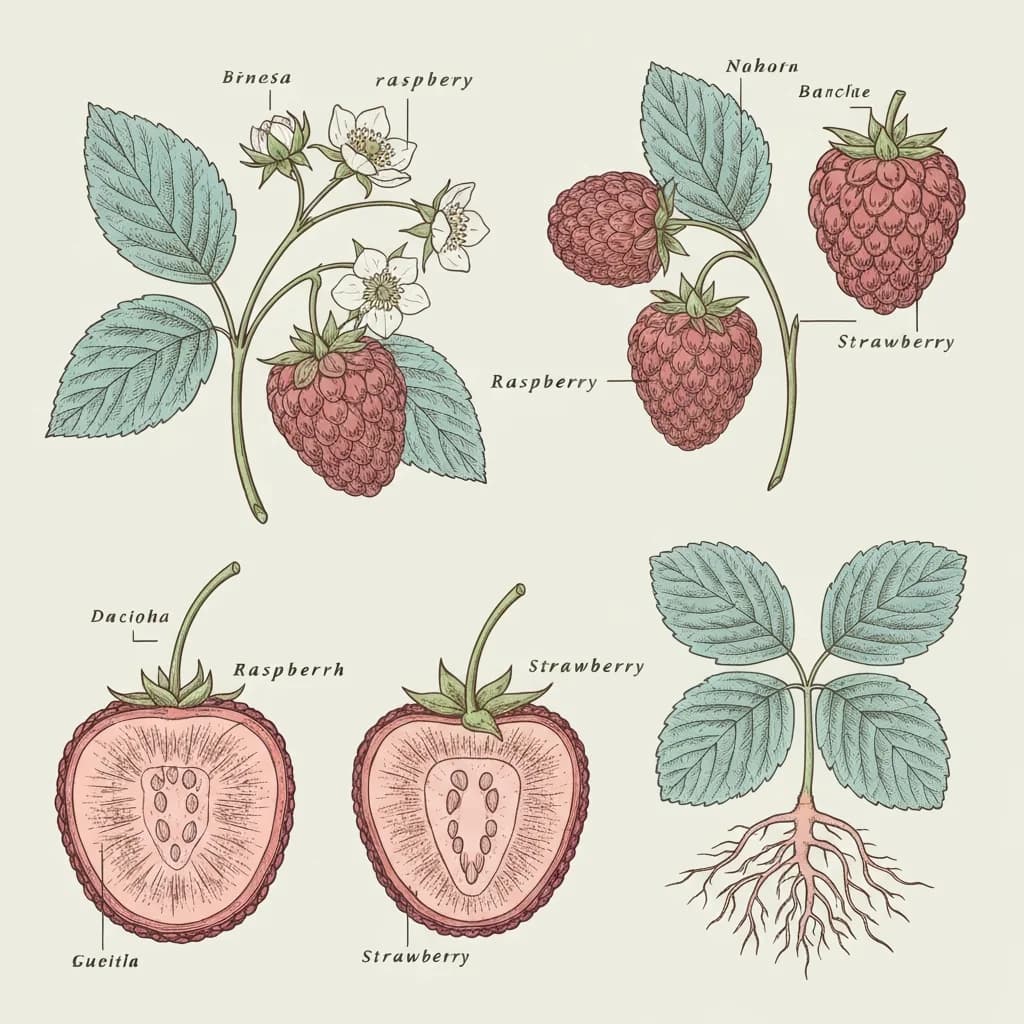
Berries & Fruit

yes, you can grow fruit in your backyard

Growing your own fruit sounds intimidating, but it really doesn't have to be. Some of the easiest things I grow are berries, and you can even grow them in containers on a patio. Here's how to get started.

Blueberries

Blueberries are easy to prune, productive, and they grow well in containers. The one thing they are picky about is acidic soil. Get that right and the rest is straightforward.

Growing Tips

  • Use acidic potting mix, or amend with a soil acidifier. Target pH 4.5-5.5.
  • One plant will give you a harvest, but a second variety will give you a bigger one.
  • They need consistent moisture but hate soggy roots.
  • Full sun for the best fruit production, 6+ hours daily.

Container Growing

Blueberries do great in containers. Use a 15-gallon pot minimum, since they have wide, shallow root systems, and fill it with acidic potting mix.
Raspberries

Raspberries spread like crazy in the ground, which honestly makes containers a great option. Ever-bearing varieties will give you fruit from summer through fall.

Growing Tips

  • Choose ever-bearing varieties for the longest harvest season.
  • Prune spent canes after fruiting to make room for new growth.
  • They need support, and a simple trellis or stake system works.
  • If you do not have room for a trellis, look for a container variety bred to stay compact.
  • Full sun and well-draining soil make the difference between a few berries and a real harvest.

Container Growing

A 15-gallon container works well. Use a sturdy pot because they get top-heavy. Add a small trellis for support.

Strawberries

Strawberries are the gateway fruit for most gardeners, and for good reason. They are easy, they are fast, and they are easy to propagate, so one packet of plants turns into a lot more. Container strawberries taste a million times better than store-bought.

Growing Tips

  • June-bearing gives you one big harvest, usually in early summer. Best if you want a batch for jam.
  • Ever-bearing gives you two or three smaller flushes, typically spring and late summer.
  • Day-neutral keeps producing steadily all season as long as temperatures stay moderate. This is what I use in containers.
  • Keep the runners to create new plants. They root easily and give you free strawberries next year.
  • Replace plants every 3 years for best production.
  • Mulch to keep fruit clean and conserve moisture.

Container Growing

Strawberry pots, hanging baskets, even rain gutters. They grow in almost anything, as long as there is drainage.

Figs

Figs are the gateway to backyard fruit trees. They are hardy in zones 6 through 10, you only need one tree to get fruit, and they produce on new wood each year, so a rough winter does not cost you the harvest. If you have been putting off fruit trees, start here.

Growing Tips

  • You only need one tree. Figs are self-fertile, so there is no pollination partner to worry about.
  • Hardy in zones 6-10. In the colder end of that range, plant against a south-facing wall for extra warmth.
  • They fruit on new wood, so a hard winter that kills back branches does not cost you the crop.
  • Prune in late winter while the tree is dormant to keep the size manageable.
  • Let the fruit soften and droop on the branch before picking. Figs do not ripen after harvest.

Container Growing

Figs are stars in containers. A 15-20 gallon pot works well, and growing in a pot lets you move the tree into a garage or shed for winter in colder zones.

Peaches

Growing peaches in Zone 7b is absolutely doable. You need a little patience (2-3 years for a good harvest), but there is nothing like a sun-warmed peach from your own tree.

Growing Tips

  • Choose a self-fertile variety so you only need one tree.
  • Thin fruit aggressively - fewer peaches = bigger, sweeter peaches.
  • Prune in late winter for an open vase shape that lets in light.
  • Protect blossoms from late frosts with row cover if needed.

Container Growing

Dwarf peach varieties can grow in a 20+ gallon container. They'll need regular feeding and consistent watering.

Beginner Fruit Trees

Once figs have you hooked, apple trees on dwarf rootstock are the natural next step. They stay small enough to manage in a normal yard and you can pick the whole tree from the ground.

Growing Tips

  • Dwarf apple trees stay 8-10 feet tall, which keeps picking and pruning manageable.
  • Most apple trees need a pollination partner. Check before you buy.
  • Start with disease-resistant varieties to make your life easier.
  • Expect to wait 2-3 years for a real harvest. That first one is worth it.

Container Growing

Dwarf apples can work in a 20+ gallon container, though they will need regular feeding and consistent watering to stay happy.

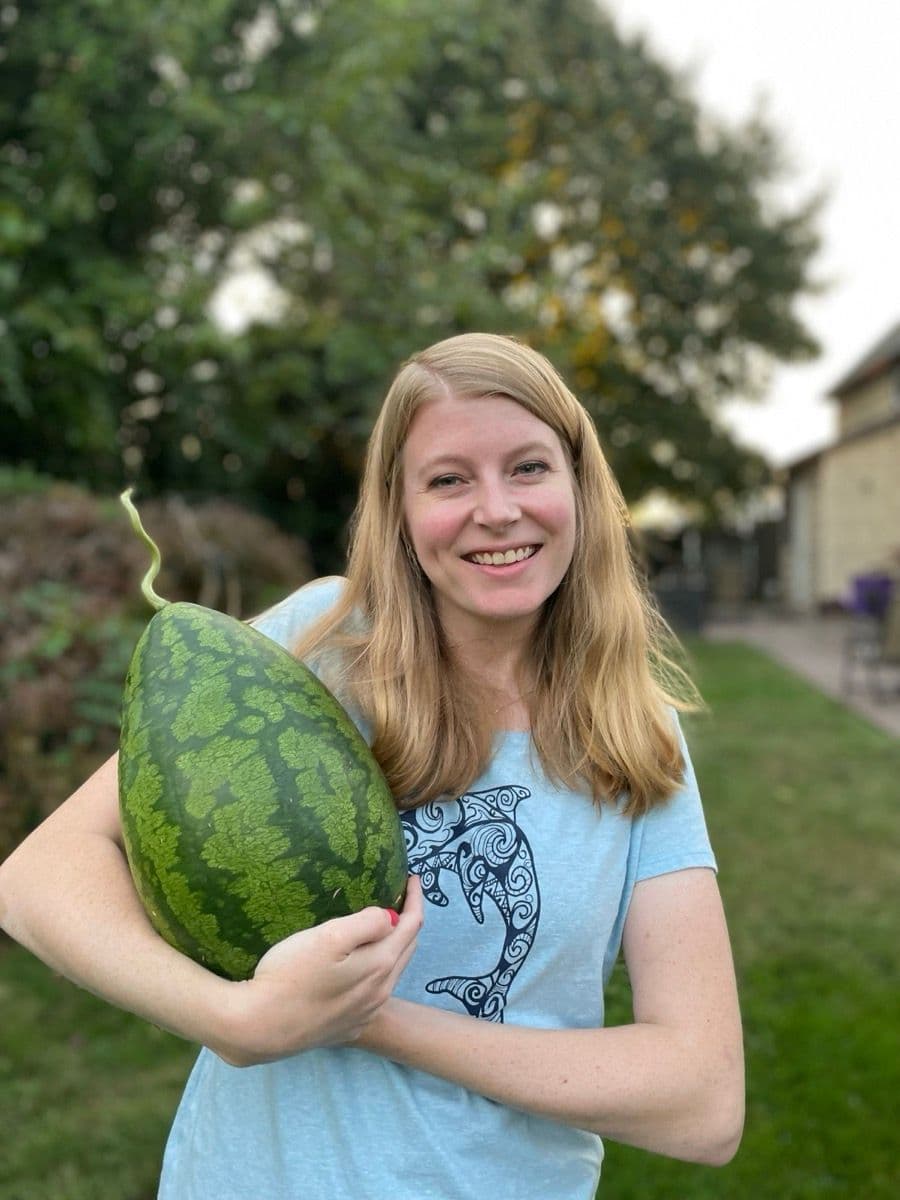
Liz holding a freshly harvested watermelon from her home garden

it really is this rewarding

Growing your own fruit is one of the most satisfying things you can do in a garden. Nothing from the store compares to a sun-warmed watermelon or a handful of berries you picked yourself. Start small, be patient, and enjoy the process.

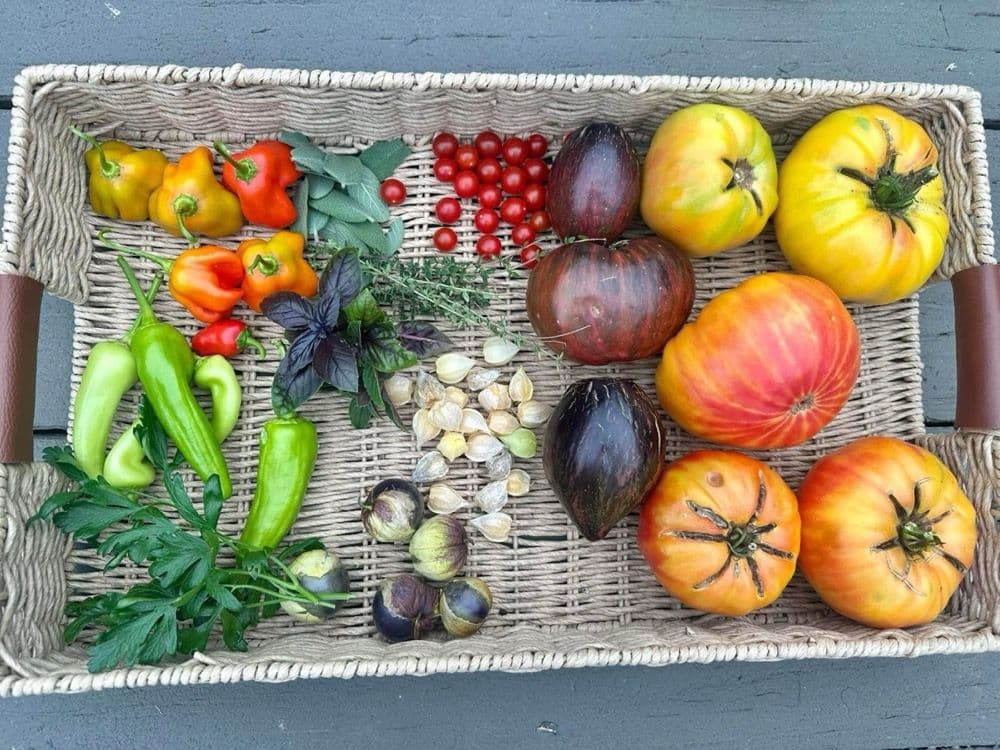
Harvest basket with fresh figs, tomatoes, and peppers from the home garden

Watch Berry & Fruit Videos

See how I grow berries and fruit in containers and raised beds on my YouTube channel.

Browse Videos