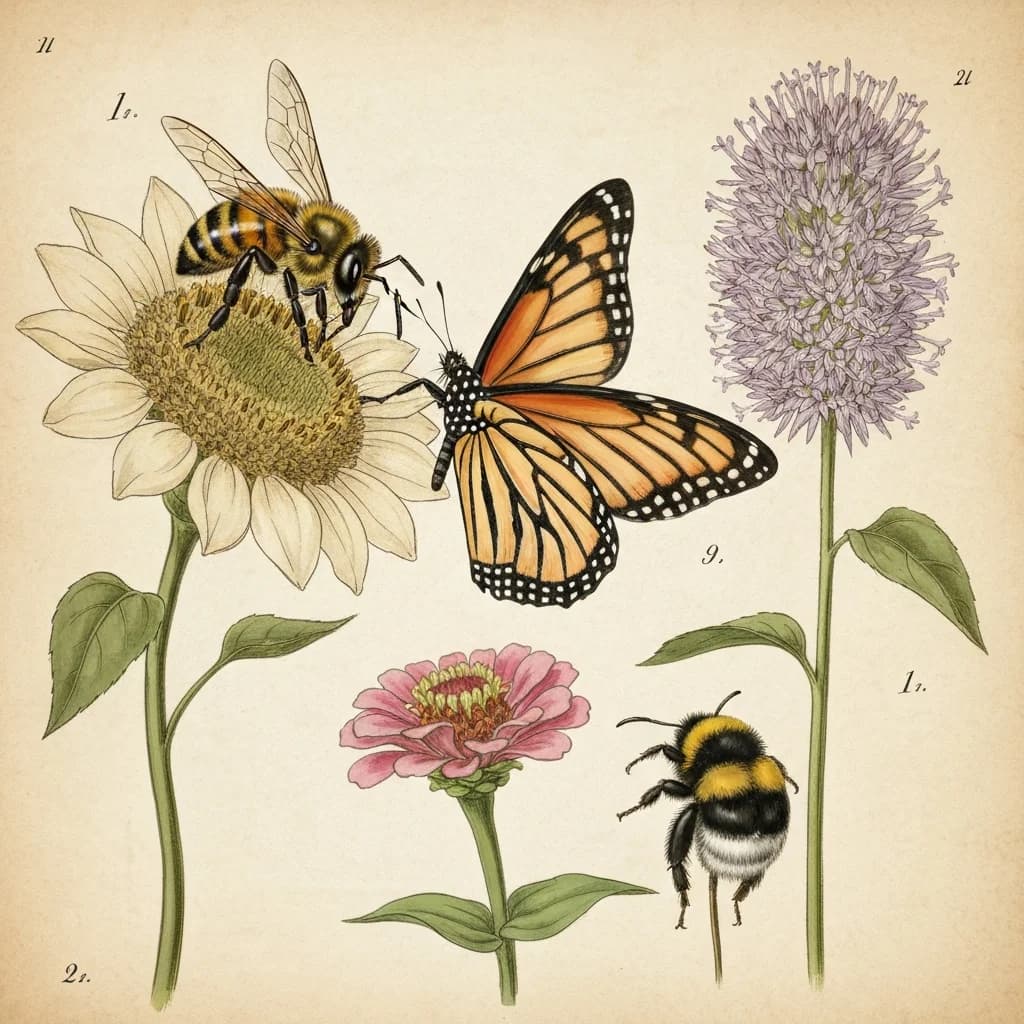
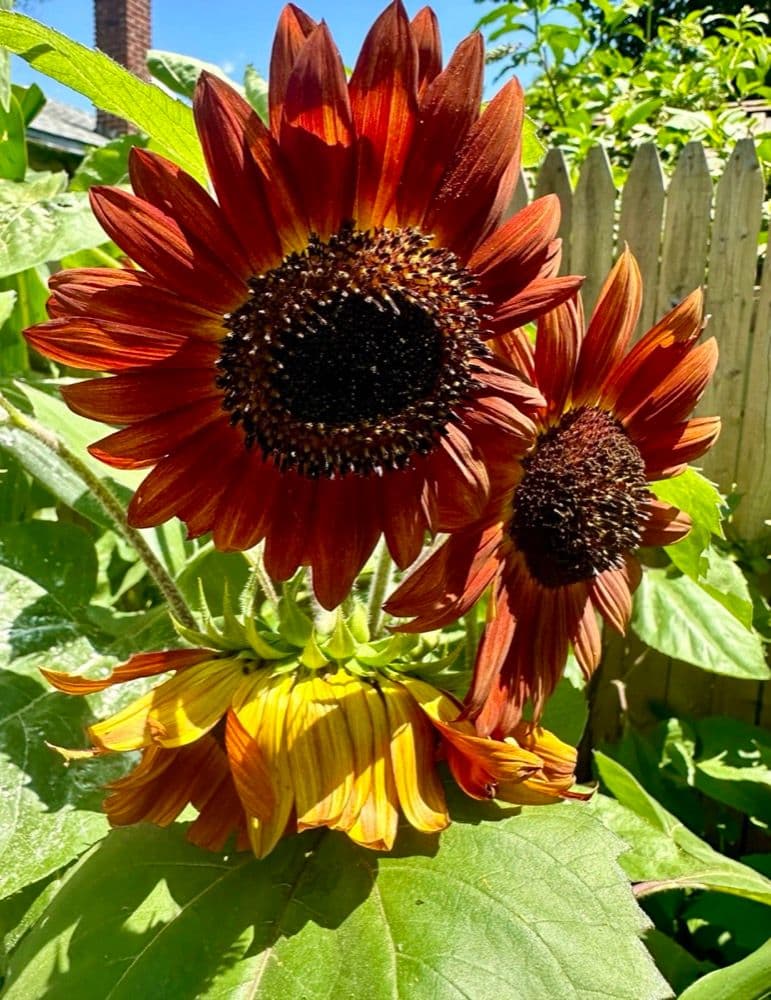
These are the creatures doing the heavy lifting in your garden.
Honeybee
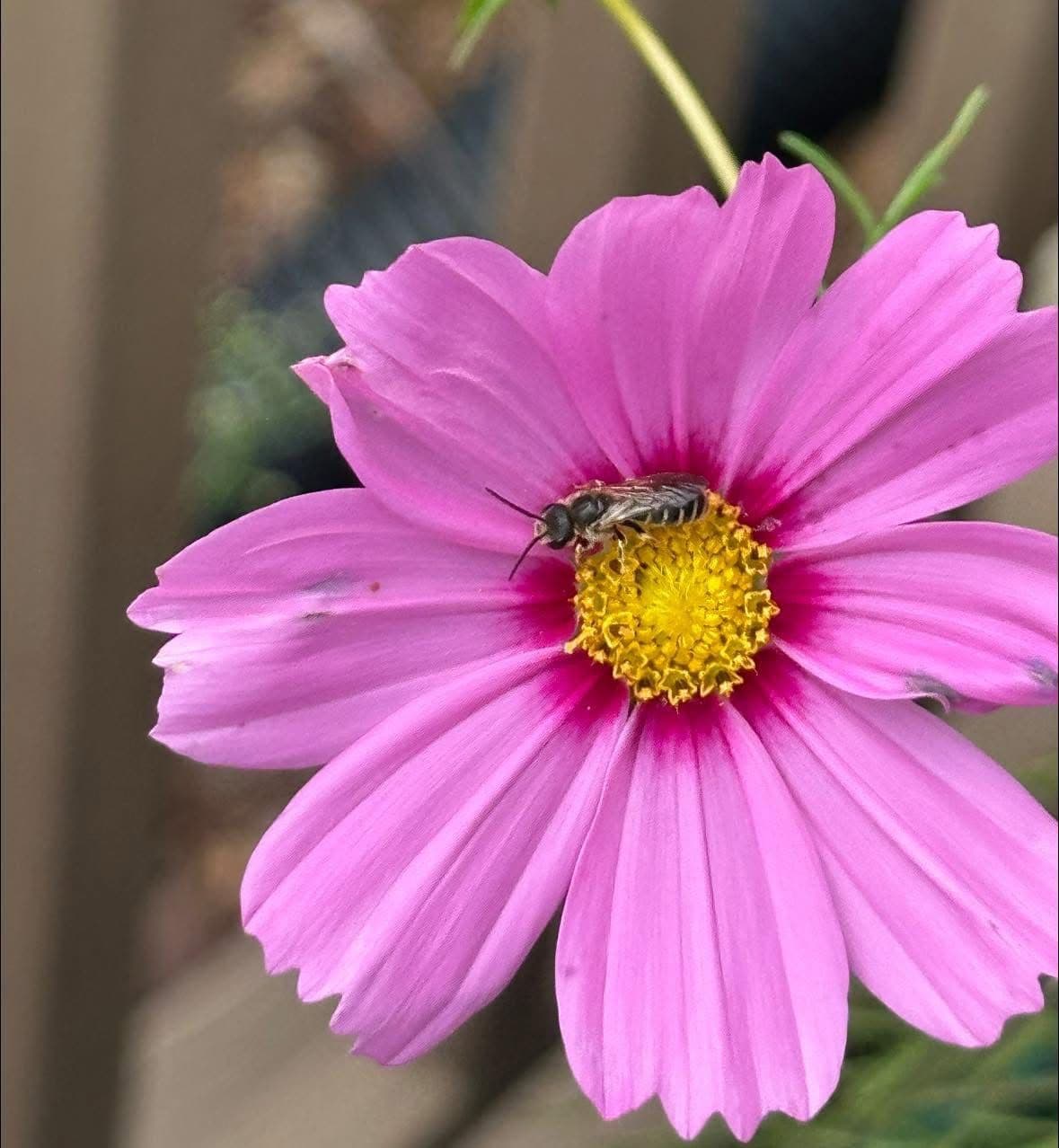
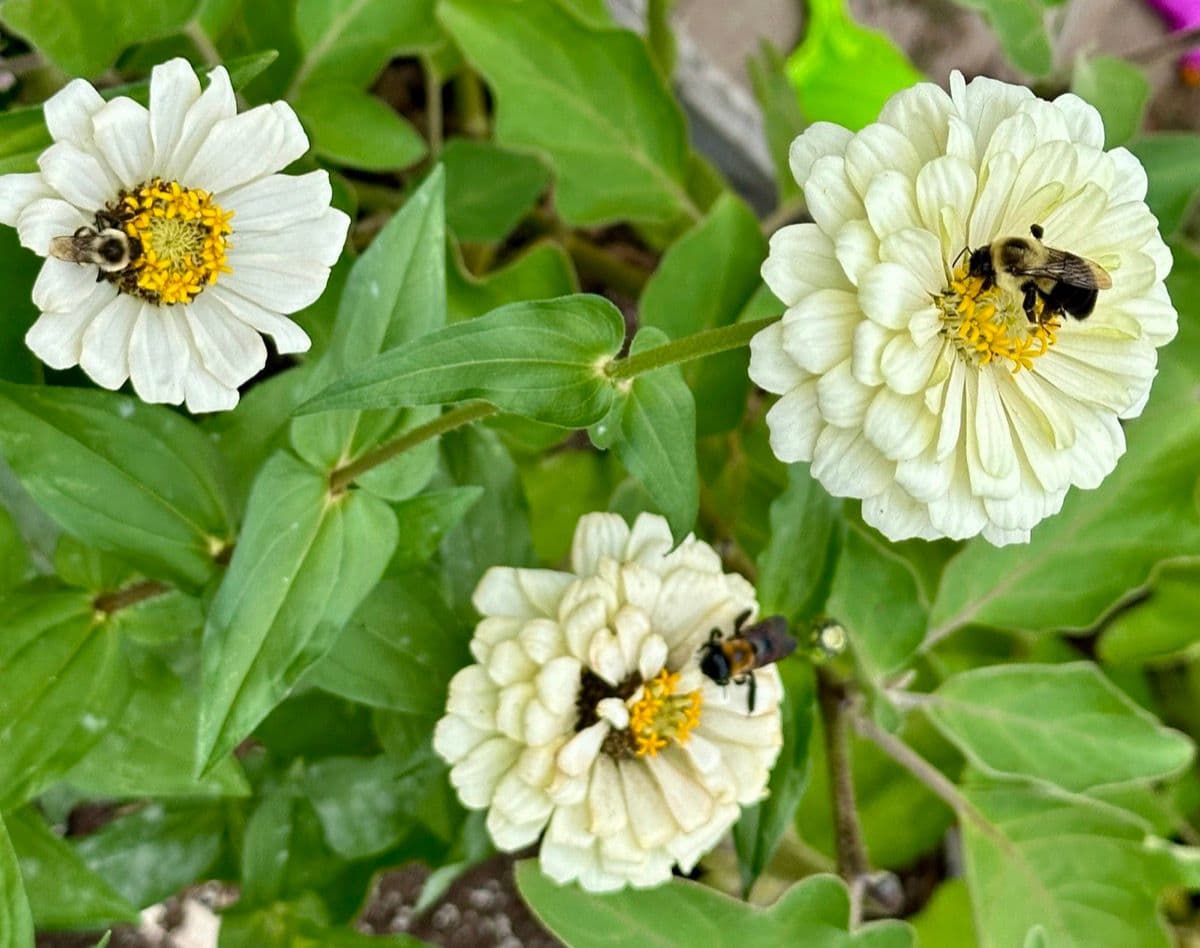
The honeybee is the most well-known pollinator and responsible for pollinating about one-third of the food we eat. You will see them working your garden from early spring through late fall, visiting hundreds of flowers a day. They are not aggressive, they are just focused on their job. If you see honeybees in your garden, you are doing something right. They especially love large patches of a single flower type, which makes it efficient for them to collect pollen and nectar.
Attracted by: sunflowerszinniaslavenderboragebasil flowerscloversquash blossoms
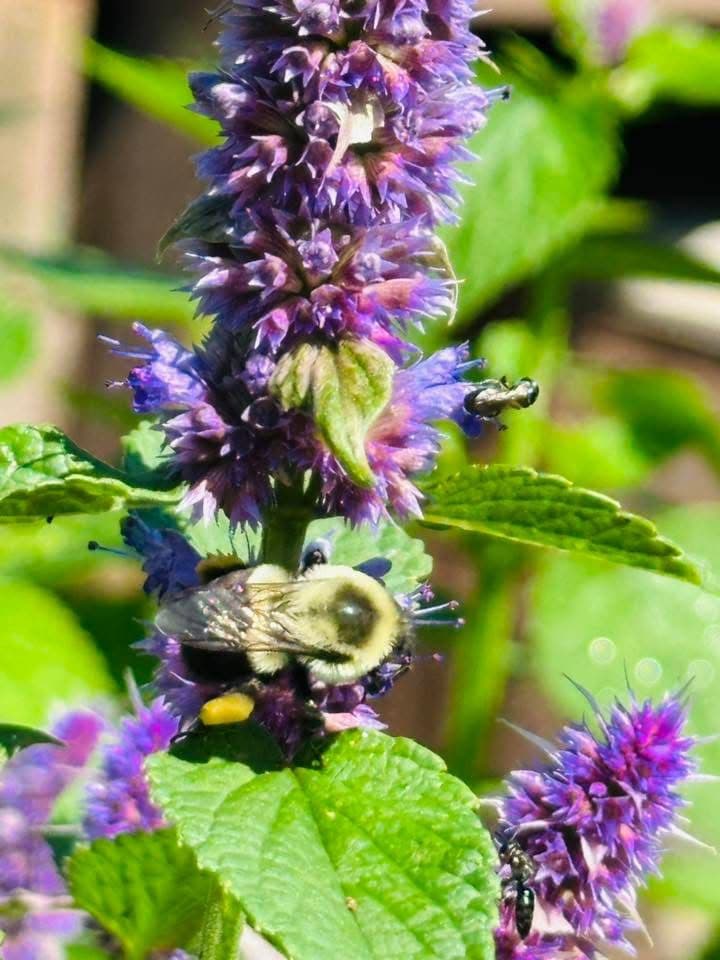
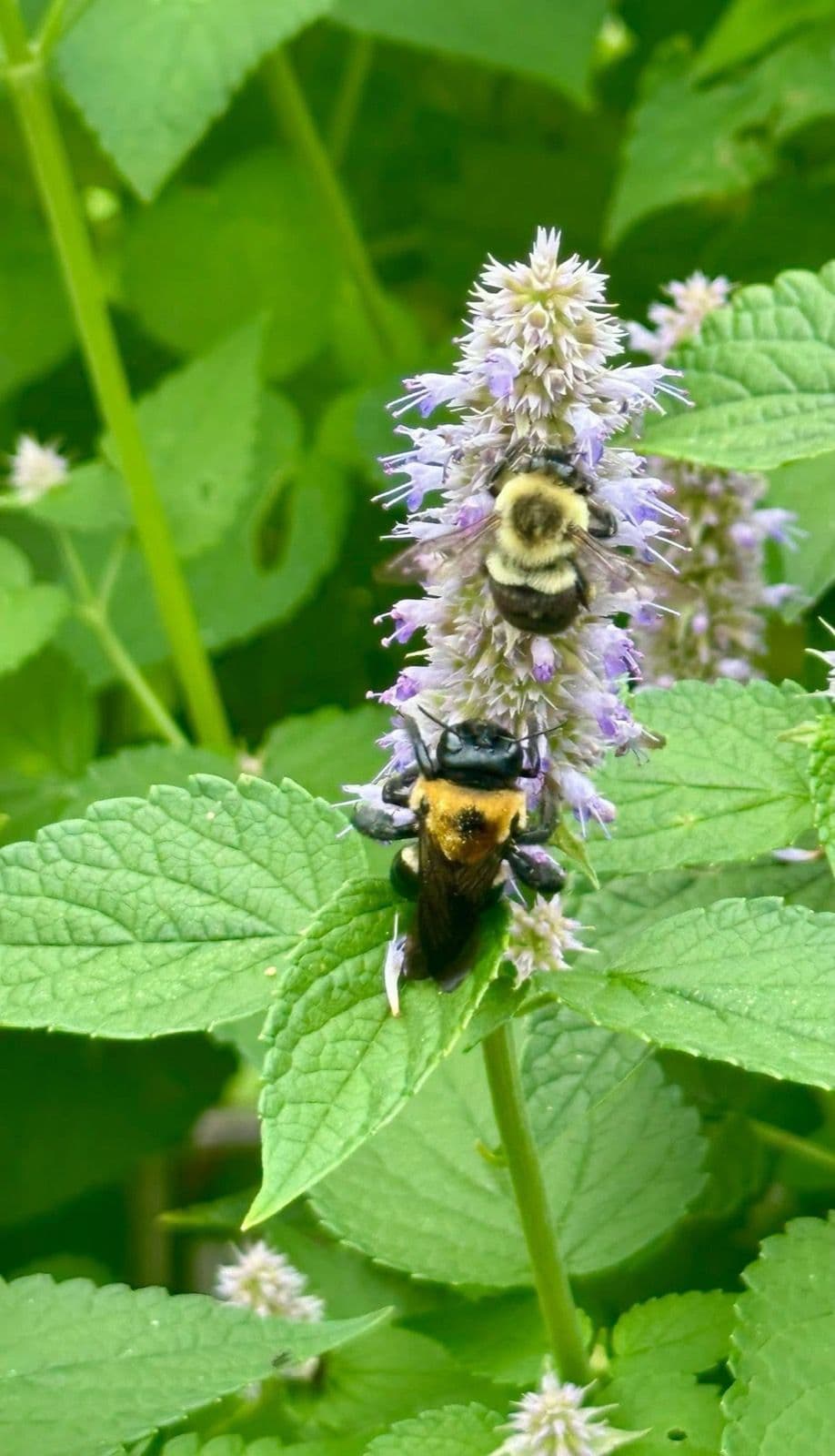
Bumblebee
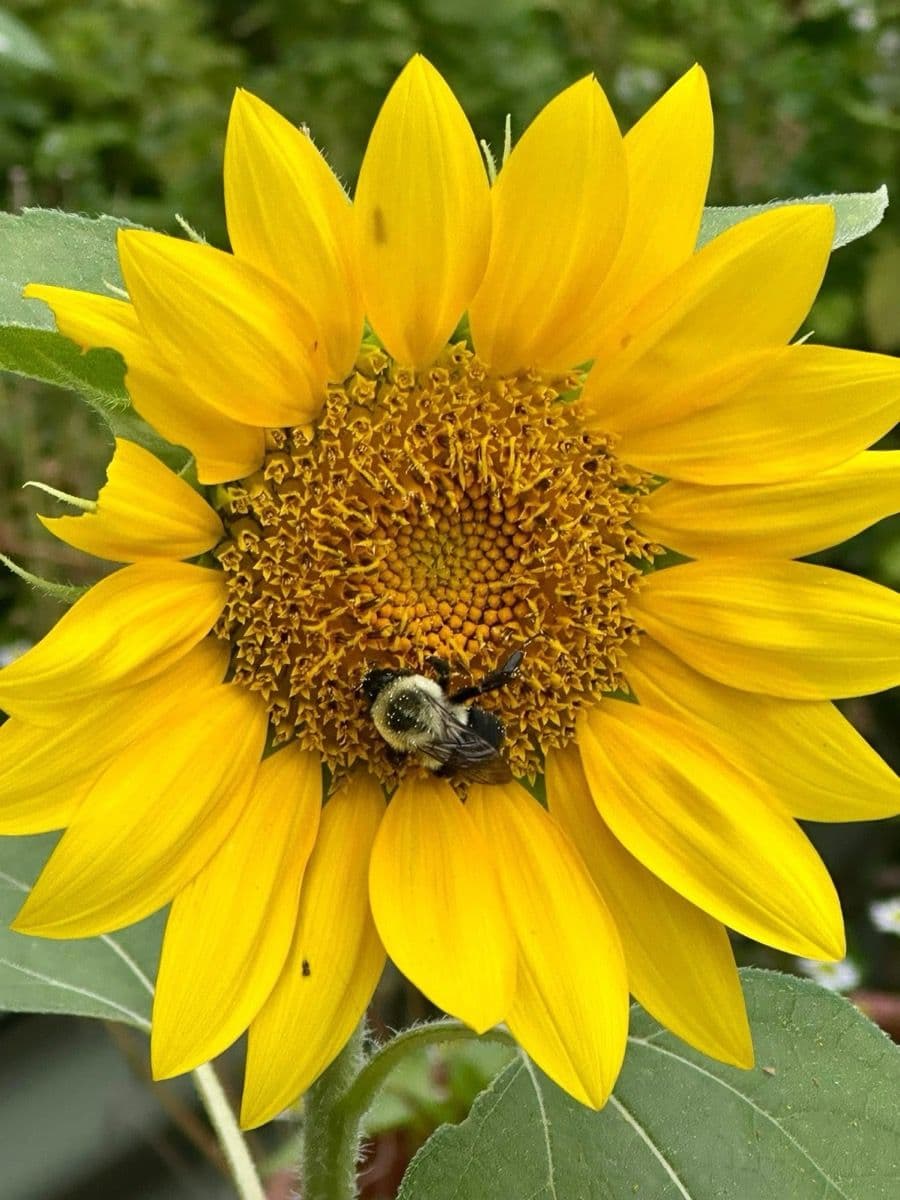
Bumblebees are the big fuzzy ones, and they are absolute workhorses in the garden. They are better pollinators than honeybees for certain crops because they do something called buzz pollination, they grab the flower and vibrate their flight muscles to shake pollen loose. This makes them essential for tomatoes, peppers, and eggplant. They also fly in cooler temperatures and lower light conditions than honeybees, so they are often the first and last pollinators you will see each day.
Attracted by: agastachesalviascloverwildflowerstomato blossomsbee balmconeflowers
Monarch butterfly
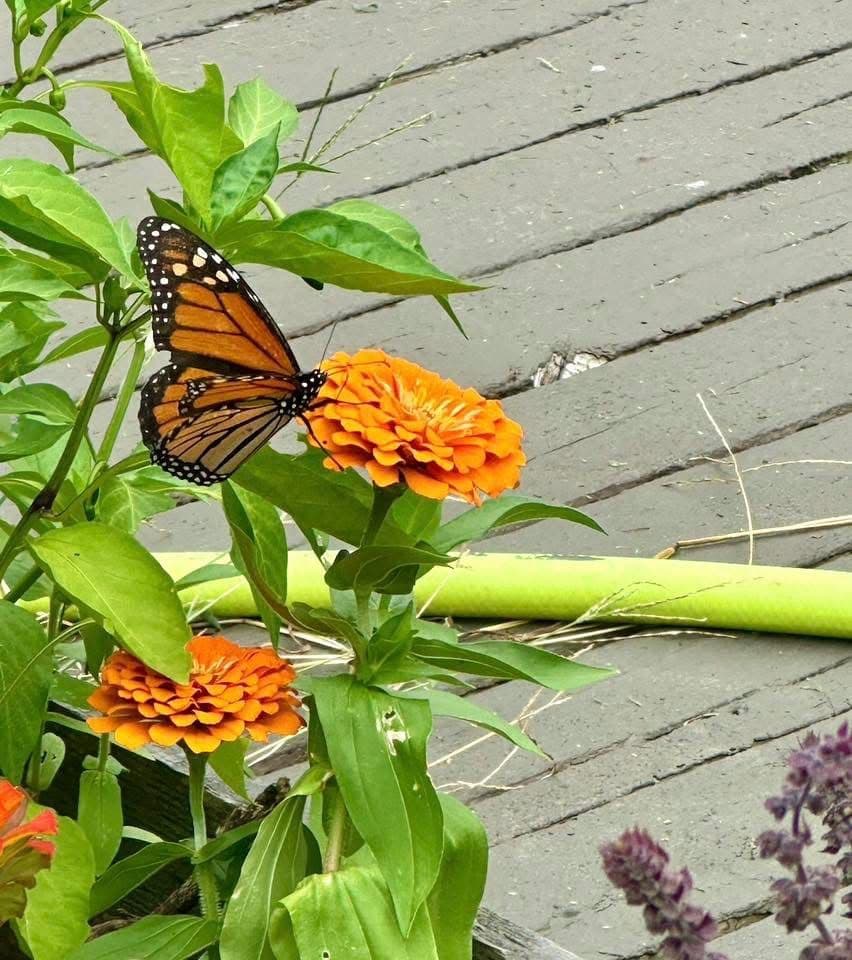
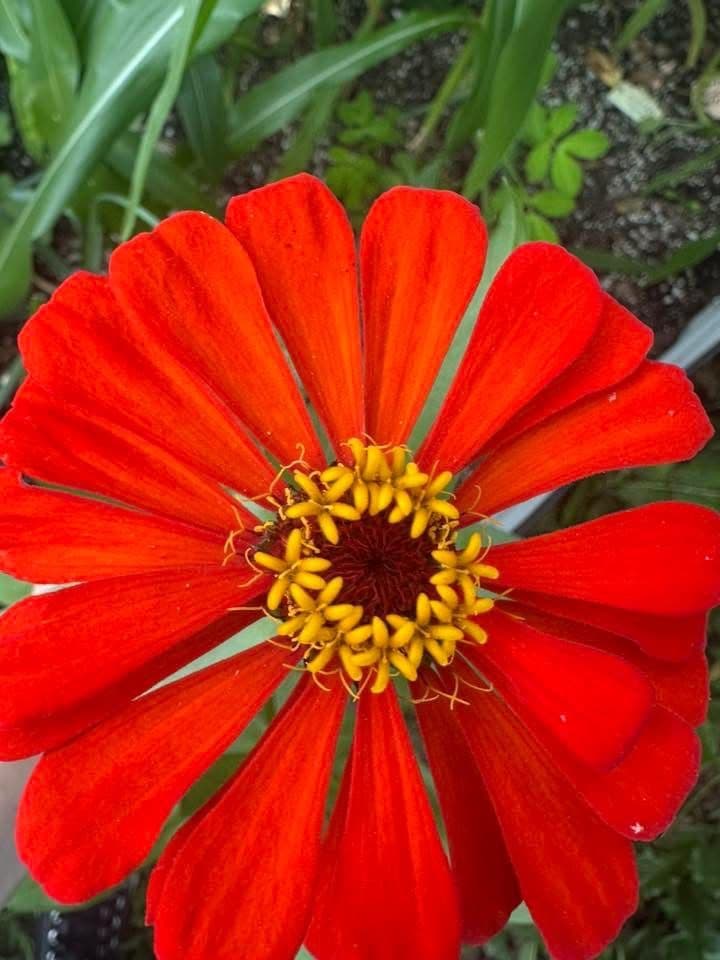
Monarchs are the iconic orange-and-black butterflies famous for their incredible multi-generational migration. Their populations have declined significantly, and gardeners can make a real difference by providing habitat. Monarchs need milkweed, it is the only plant their caterpillars eat. Planting even a few milkweed plants in your garden or in a container supports their survival. Adult monarchs visit many flowers for nectar, especially brightly colored, flat-topped blooms they can land on easily.
Attracted by: milkweedzinniasastersconeflowersblack-eyed susansgoldenrodlantana
Swallowtail butterfly
Swallowtail butterflies are large, gorgeous, and incredibly welcome in any garden. The black swallowtail is especially common in vegetable gardens because their caterpillars feed on plants in the carrot family, dill, fennel, parsley, and carrot tops. I know it can be startling to find fat green-and-black striped caterpillars munching your dill, but please leave them. Plant extra so there is plenty for everyone. Watching a swallowtail emerge from a chrysalis in your garden is one of the most magical things you will ever see.
Attracted by: dillfennelparsleyruezinniasphloxmilkweed
Hoverfly
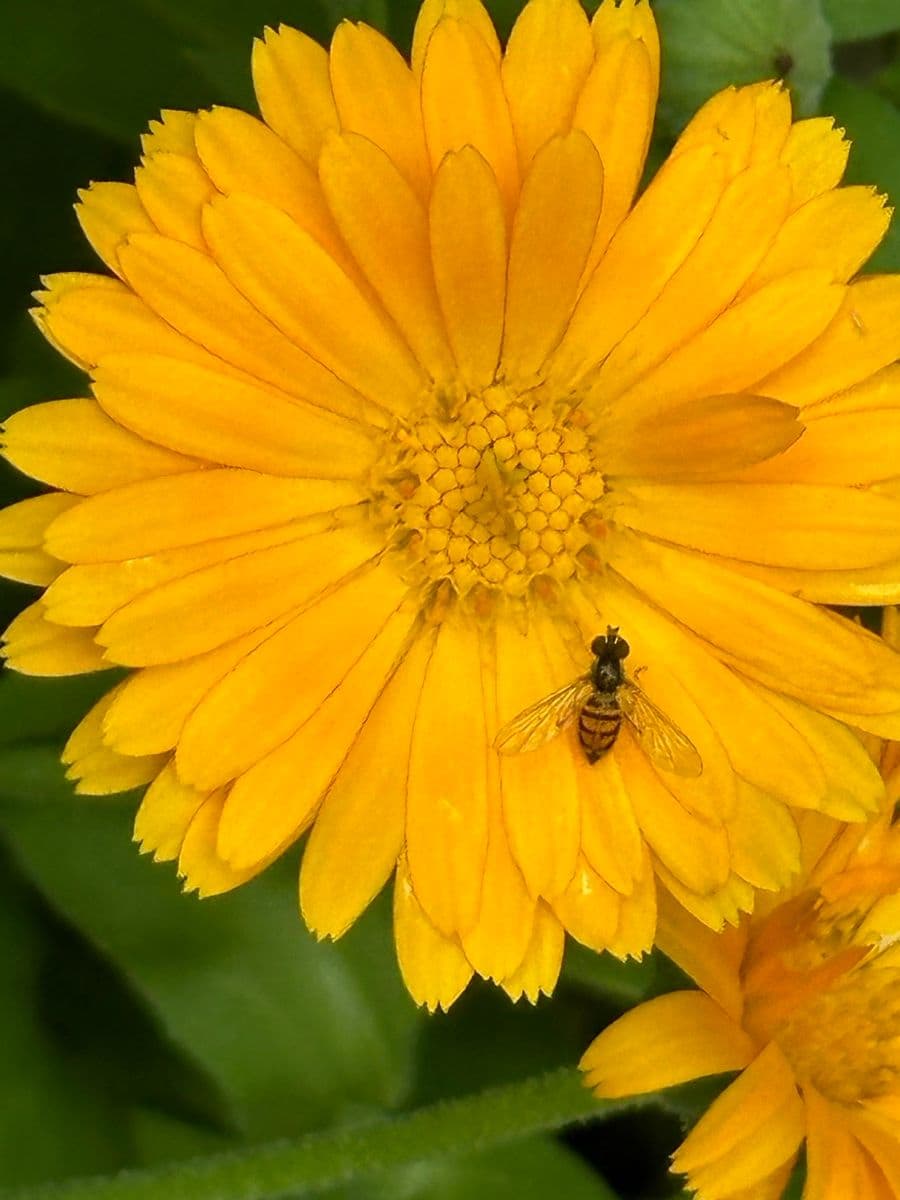
Hoverflies (also called syrphid flies or flower flies) are the unsung heroes of the garden. They look like tiny bees or wasps but are completely harmless, they cannot sting. Adults feed on nectar and pollen, making them effective pollinators. But here is why I really love them: their larvae are voracious aphid predators. A single hoverfly larva can eat hundreds of aphids before it pupates. Attracting hoverflies is one of the best organic pest control strategies there is.
Attracted by: calendulasweet alyssumdillfennelyarrowmarigoldscilantro flowers