Fix My Plant

let's figure out what's going on

Something not looking right? Pick the symptom that best matches what you're seeing and I'll walk you through the most likely causes, how to fix them, and how to prevent them next time.

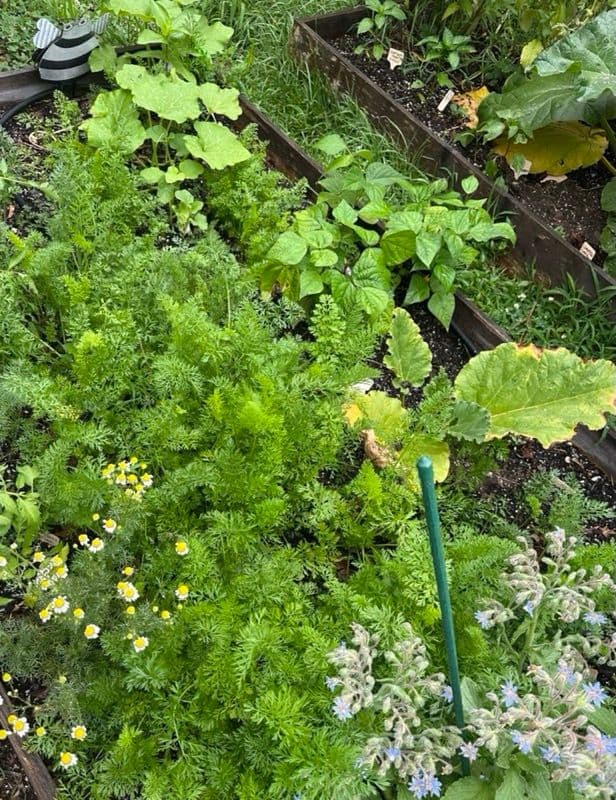
Lush, healthy raised bed garden thriving with proper care

this is the goal

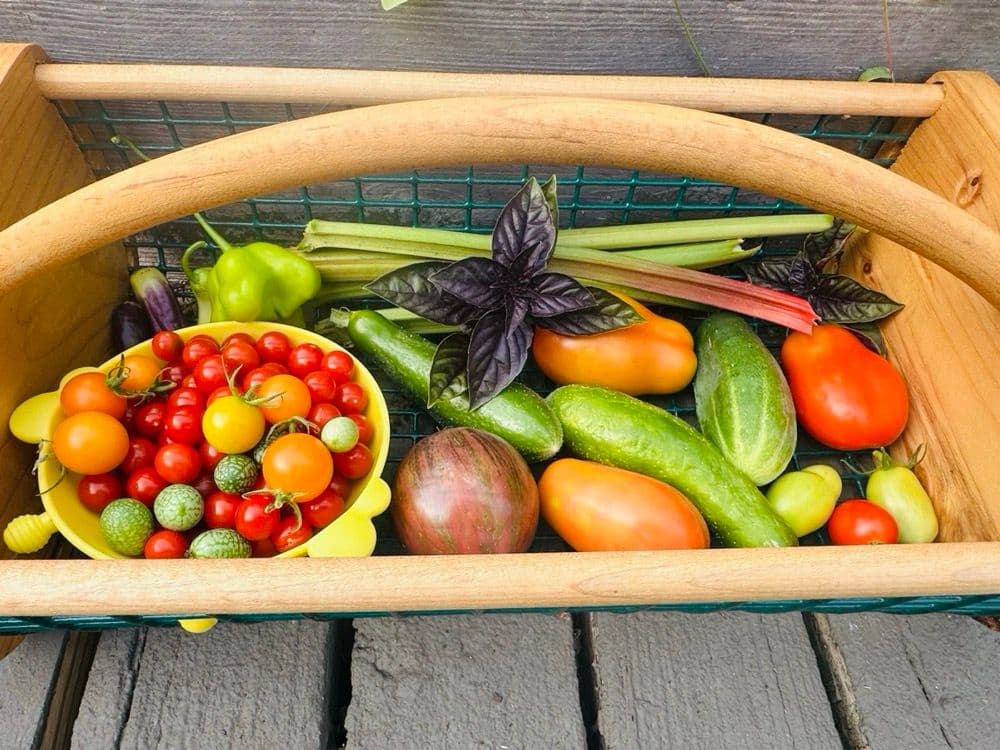
Every plant problem has a solution. Let's get your garden looking like this.

Colorful harvest basket showing what healthy, well-cared-for plants produce

Brown Spots

Brown spots on leaves are usually a sign of fungal disease, bacterial infection, or environmental stress. The shape, size, color, and pattern of the spots can tell you a lot about what's going on. Take a close look - are they uniform circles? Random blotches? Do they have rings or halos? Each pattern points to a different cause.

Most Likely

Fungal Leaf Spot (Early Blight / Septoria)

Act now

The most common cause of brown spots on garden plants. Fungal spores splash up from the soil onto lower leaves during watering or rain. The spots usually start small and grow, often developing concentric rings (like a target) or dark borders. Left unchecked, leaves will yellow and drop.

What to Look For

  • Dark brown or black circular spots, often with concentric rings
  • Spots may have a yellow halo around them
  • Usually starts on the LOWEST leaves closest to the soil
  • Spots gradually enlarge and may merge together
  • Severely affected leaves turn completely yellow/brown and drop
  • More common in warm, humid weather or after rain

How to Fix It

  1. 1Remove all affected leaves immediately and dispose of them (don't compost)
  2. 2Spray remaining foliage with neem oil or a copper-based fungicide
  3. 3For organic treatment: mix 1 tablespoon baking soda + 1 teaspoon liquid soap in 1 gallon water, spray weekly
  4. 4Improve air circulation by pruning dense growth and spacing plants further apart
  5. 5Water at the BASE of the plant, never from overhead
  6. 6Apply a fresh layer of mulch around the base to prevent soil splash

Prevention

  • Always water at the soil level, not on the leaves
  • Mulch around plants with 2-3 inches of straw or wood chips to prevent soil splash
  • Space plants properly for good air circulation
  • Prune the bottom 12 inches of foliage on tomato plants (this is the #1 prevention tip)
  • Rotate crops - don't plant the same family in the same spot for 3 years
  • Start with disease-resistant varieties when possible
Most affected:Tomatoes (extremely common), peppers, potatoes, eggplant, cucumbers, squash
Possible

Bacterial Leaf Spot

Act now

Caused by bacteria that enter through natural openings or wounds in leaves. Unlike fungal spots, bacterial spots often look water-soaked or greasy at first, then turn brown. They can spread rapidly in wet conditions.

What to Look For

  • Spots that start as small, water-soaked areas that look dark and greasy
  • As they age, spots turn brown with irregular edges
  • May see a yellow halo, but the spots are often angular (follow leaf veins)
  • Leaves may become papery and crispy as spots dry out
  • Can affect leaves, stems, and fruit
  • Spreads quickly during wet, warm weather

How to Fix It

  1. 1Remove and destroy all infected plant parts
  2. 2Apply copper-based bactericide (copper is one of the few things effective against bacteria)
  3. 3Avoid handling or working around plants when they're wet
  4. 4Increase spacing between plants for better air flow
  5. 5If severe, remove the entire plant to save others

Prevention

  • Use certified disease-free seeds and transplants
  • Avoid overhead watering - drip irrigation is ideal
  • Don't work in the garden when foliage is wet
  • Clean and disinfect garden tools between plants
  • Rotate crops on a 2-3 year schedule
  • Choose resistant varieties when available
Most affected:Peppers, tomatoes, lettuce, beans, cucumbers
Possible

Sunscald / Leaf Burn

Can wait

When plants are suddenly exposed to intense direct sun (like after transplanting from indoors), leaves can literally get sunburned. The burned areas turn white, tan, or brown. This is especially common when seedlings aren't properly hardened off.

What to Look For

  • Brown or bleached patches on leaves, often on the sun-facing side
  • Damage appears within 1-2 days of sun exposure change
  • Affected areas are dry and papery, not mushy
  • Recently transplanted seedlings are most vulnerable
  • On fruit (tomatoes, peppers): white/tan sunken patches on the sun-facing side

How to Fix It

  1. 1Provide temporary shade with shade cloth (30-50%) or a lawn chair for a few days
  2. 2Damaged leaves won't recover but the plant will grow new ones
  3. 3Don't remove sunburned leaves right away - they still provide some shade to the plant
  4. 4Water well to help the plant recover from stress
  5. 5For fruit sunscald: the affected area is cosmetic only, cut it off and eat the rest

Prevention

  • Harden off seedlings gradually: start with 1-2 hours of outdoor shade, increasing over 7-10 days
  • Don't transplant from indoor grow lights directly into full sun
  • Provide afternoon shade for newly transplanted seedlings for the first week
  • Keep foliage on the plant (heavy pruning can expose fruit to sunscald)
Most affected:All seedlings during transplant. Tomato and pepper fruit are especially prone to fruit sunscald
Possible

Blossom End Rot

Address soon

Technically not a disease - it's a calcium disorder caused by inconsistent watering. The bottom (blossom end) of the fruit develops a dark, sunken, leathery patch. It looks alarming but it's fixable.

What to Look For

  • Dark, sunken, leathery patch on the BOTTOM of the fruit (not the stem end)
  • Starts as a small water-soaked spot that enlarges and turns black
  • Usually affects the first fruits of the season most severely
  • More common during rapid growth periods and hot weather
  • The rest of the fruit and plant may look perfectly healthy

How to Fix It

  1. 1Remove affected fruit so the plant redirects energy to healthy fruit
  2. 2Water deeply and consistently - the key is EVEN moisture, not more water
  3. 3Mulch with 2-3 inches of straw to help maintain even soil moisture
  4. 4If in containers, you may need to water 1-2x daily in hot weather
  5. 5DO NOT add eggshells - they break down too slowly to help (this is a common myth)
  6. 6Calcium sprays can help as a quick fix but consistent watering is the real solution

Prevention

  • Water consistently - this is the #1 cause and the #1 fix
  • Use mulch to buffer soil moisture fluctuations
  • Don't over-fertilize with nitrogen (rapid growth makes BER worse)
  • Consider drip irrigation or self-watering containers
  • Avoid damaging roots when cultivating around plants
Most affected:Tomatoes (most common), peppers, squash, eggplant, watermelon
Possible

Calcium Deficiency (Tip Burn)

Can wait

When calcium can't reach the leaf tips fast enough (often because of inconsistent watering rather than actual lack of calcium), the tips and edges of leaves turn brown and crispy.

What to Look For

  • Brown, dry, crispy edges or tips on leaves
  • Usually affects newer growth first (unlike nitrogen deficiency)
  • Inner leaves on lettuce/cabbage may show brown edges
  • Often accompanied by blossom end rot on fruit

How to Fix It

  1. 1Ensure consistent, even watering
  2. 2Apply calcium-magnesium supplement if soil test confirms deficiency
  3. 3Foliar spray of calcium chloride for quick absorption
  4. 4In containers, flush with water to remove excess salts that block calcium uptake

Prevention

  • Maintain even soil moisture with mulch and consistent watering
  • Don't over-fertilize with nitrogen or potassium (both compete with calcium)
  • Keep soil pH between 6.2-6.8 where calcium is most available
  • Add lime at planting if soil test shows low calcium
Most affected:Lettuce (tip burn is very common), cabbage, tomatoes, peppers

Still Stumped?

Send me a photo and description on the Garden Hotline. I love a good plant mystery.

Go to Garden Hotline
Fix My Plant - Plant Problem Troubleshooter | Harvest with Liz